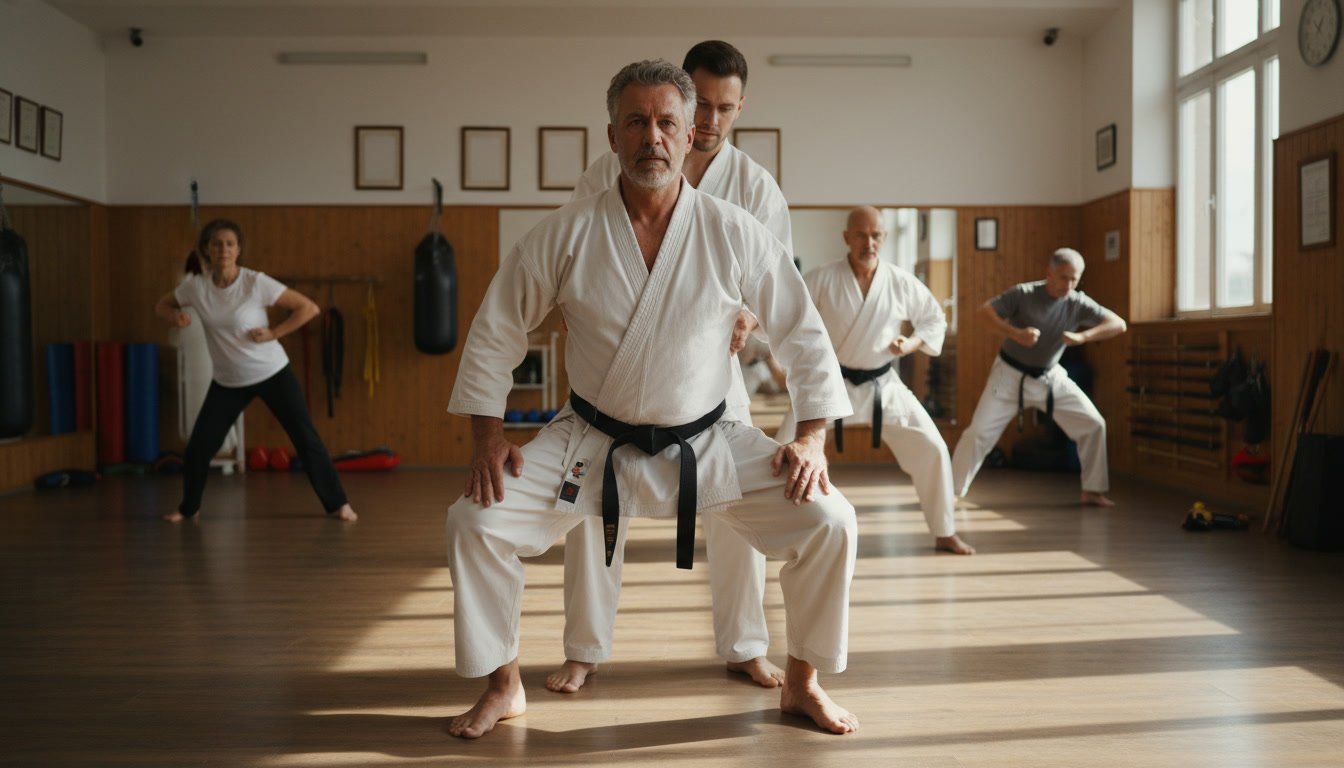
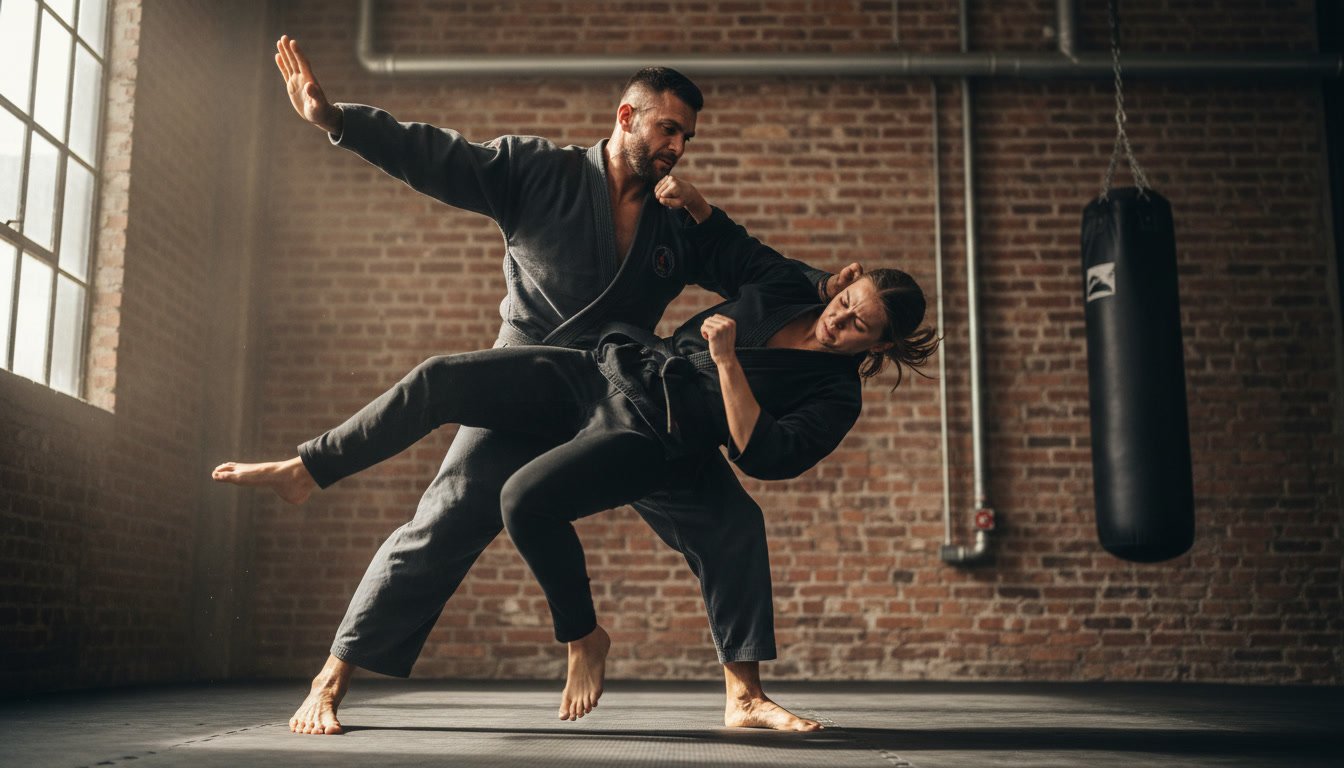
For beginners entering mixed martial arts, the choice between MMA striking vs grappling often determines their entire training trajectory. Most successful fighters develop both skill sets eventually, but starting with the discipline that matches your natural abilities and goals creates a stronger foundation. Striking emphasizes distance management and stand-up techniques, while grappling focuses on control, submissions, and ground fighting. The best choice depends on your body type, athletic background, and what you want to achieve in martial arts.
Understanding the Fundamentals of Mixed Martial Arts
Mixed martial arts combines techniques from multiple combat disciplines into a comprehensive fighting system. Unlike traditional martial arts that focus on one style, MMA requires proficiency in both standing and ground techniques. The sport evolved from early contests that pitted different martial arts against each other, revealing that well-rounded fighters with diverse skills consistently outperformed specialists.
Modern MMA training divides into two broad categories. Striking arts include boxing, kickboxing, Muay Thai, and karate. Grappling encompasses wrestling, Brazilian jiu-jitsu, judo, and submission grappling. Professional fighters typically spend years developing both skill sets, but beginners must choose where to invest their initial training time.
Why Starting With Striking Appeals to New Students
Striking feels more intuitive to many beginners because it mirrors natural human responses to conflict. Most people instinctively understand punching and kicking before they grasp the mechanics of joint locks or chokes. This familiarity reduces the initial learning curve and helps new students build confidence quickly.
Stand-up fighting also offers immediate practical applications for self-defense. Learning proper footwork, defensive head movement, and effective striking combinations gives you tools that work in most confrontational scenarios. The ability to maintain distance and avoid being taken to the ground proves valuable both inside and outside the training environment.

The Physical Demands of Learning to Strike
Striking training develops cardiovascular endurance, speed, and explosive power. Pad work, heavy bag drills, and sparring sessions keep your heart rate elevated and burn significant calories. You will build lean muscle in your shoulders, core, and legs while improving hand-eye coordination and timing.
The learning curve for basic striking technique is relatively gentle. Within a few months of consistent training, most students can throw proper punches and kicks with decent form. However, developing the timing, distance management, and defensive reflexes that separate competent strikers from beginners takes years of dedicated practice.
The Case for Starting Your Journey With Grappling in Las Vegas
Grappling offers unique advantages that make it an excellent starting point for many beginners. Ground fighting creates a more controlled learning environment where technique often overcomes size and strength differences. A smaller person with superior grappling skills can consistently defeat larger opponents, which proves empowering for students who lack physical advantages.
Wrestling and Brazilian jiu-jitsu also provide a complete puzzle-solving experience. Each position presents specific challenges and multiple potential solutions. This chess-like quality engages your mind as much as your body, appealing to students who enjoy strategic thinking and problem-solving under pressure.
Three Key Advantages Grappling Offers Beginners
First, grappling allows for full-intensity training with minimal injury risk. Unlike striking, where landing full-power blows causes damage, you can practice takedowns and submissions at maximum effort against resisting opponents. This live training accelerates skill development and builds real confidence in your abilities.
Second, grappling provides clear feedback on your progress. When you successfully execute a takedown or submission, you know immediately that your technique worked. This concrete feedback loop helps beginners understand what works and what needs improvement without ambiguity.
Third, ground fighting builds functional strength and body awareness that transfers to all physical activities. The constant pushing, pulling, and maintaining balance while an opponent resists develops core strength, flexibility, and proprioception that benefit your overall athleticism.
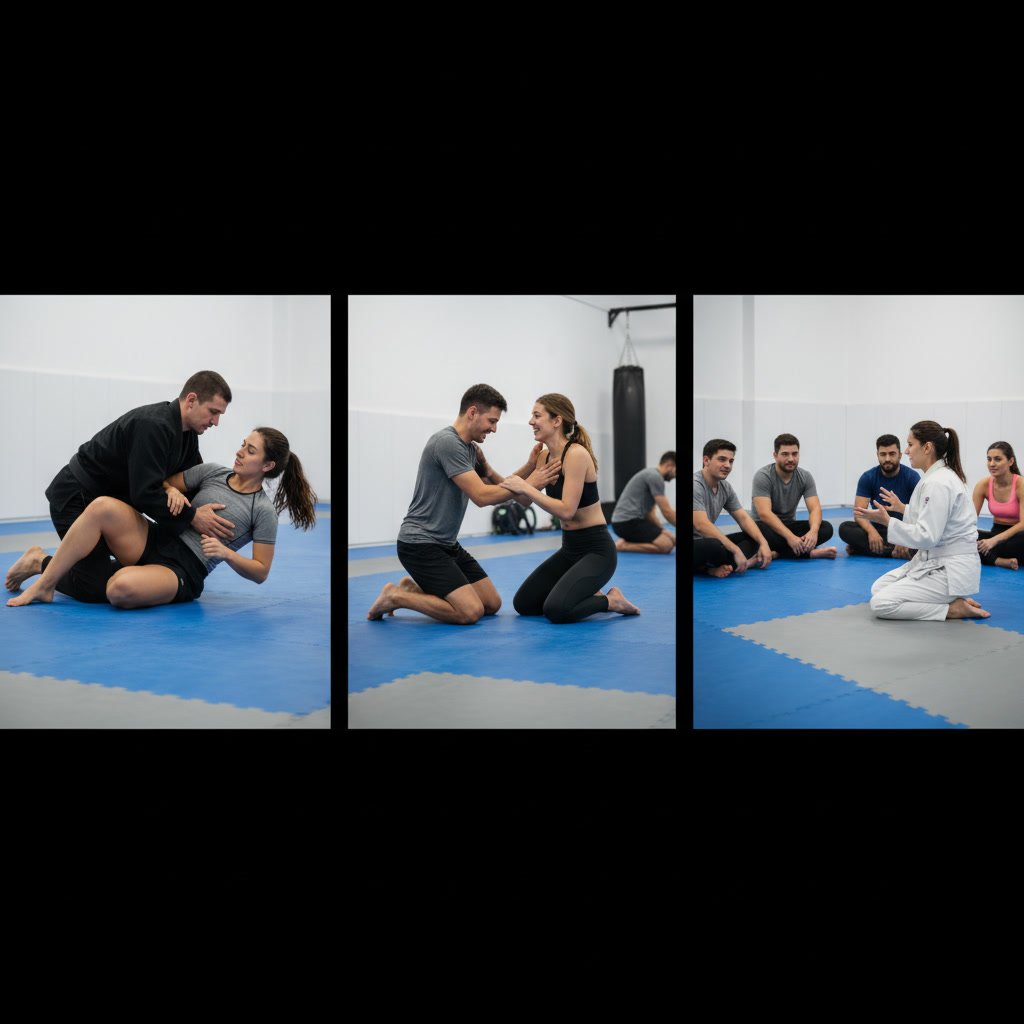
How Your Body Type Influences the Best Starting Point
Your physical attributes should influence your initial training focus. Taller individuals with longer reach often excel at striking because they can maintain distance and land punches while staying outside their opponent’s range. The ability to control space naturally complements striking arts like kickboxing and karate.
Shorter, stockier athletes typically find grappling more intuitive. A lower center of gravity makes executing takedowns easier and defending against them more natural. Compact builds also provide leverage advantages in ground positions where limb length becomes less important than positioning and pressure.
Students with existing athletic backgrounds should consider their transferable skills. Former wrestlers or judo practitioners can immediately apply their grappling knowledge to MMA training. Athletes from striking sports like boxing or Taekwondo will find stand-up techniques more familiar.
The Training Timeline for Developing Competence
Striking competence typically develops faster in the early stages. After six months of consistent training three times per week, most students can throw basic combinations with reasonable form and defend against common attacks. You will understand range, timing, and defensive positioning well enough to spar safely with other beginners.
Grappling follows a different progression curve. The first six months often feel frustrating as you learn to move in unfamiliar ways and constantly find yourself in disadvantageous positions. However, grappling skills compound rapidly after this initial period. Students who persevere through the steep early learning curve often progress faster in their second year than strikers at the same experience level.
What Combat Sports Research Reveals About Learning Order
Studies examining skill acquisition in mixed martial arts show that the optimal learning sequence depends on your ultimate goals. Fighters who plan to compete professionally typically benefit from building a grappling base first. Statistics from major MMA organizations show that fighters with wrestling or jiu-jitsu backgrounds win more frequently at the amateur and early professional levels than pure strikers.
For students focused on fitness and self-defense rather than competition, starting with striking often produces better long-term adherence. The faster visible progress and more intuitive movement patterns help beginners stay motivated through the crucial first year of training when most people quit martial arts.
Combining Both Disciplines From the Beginning
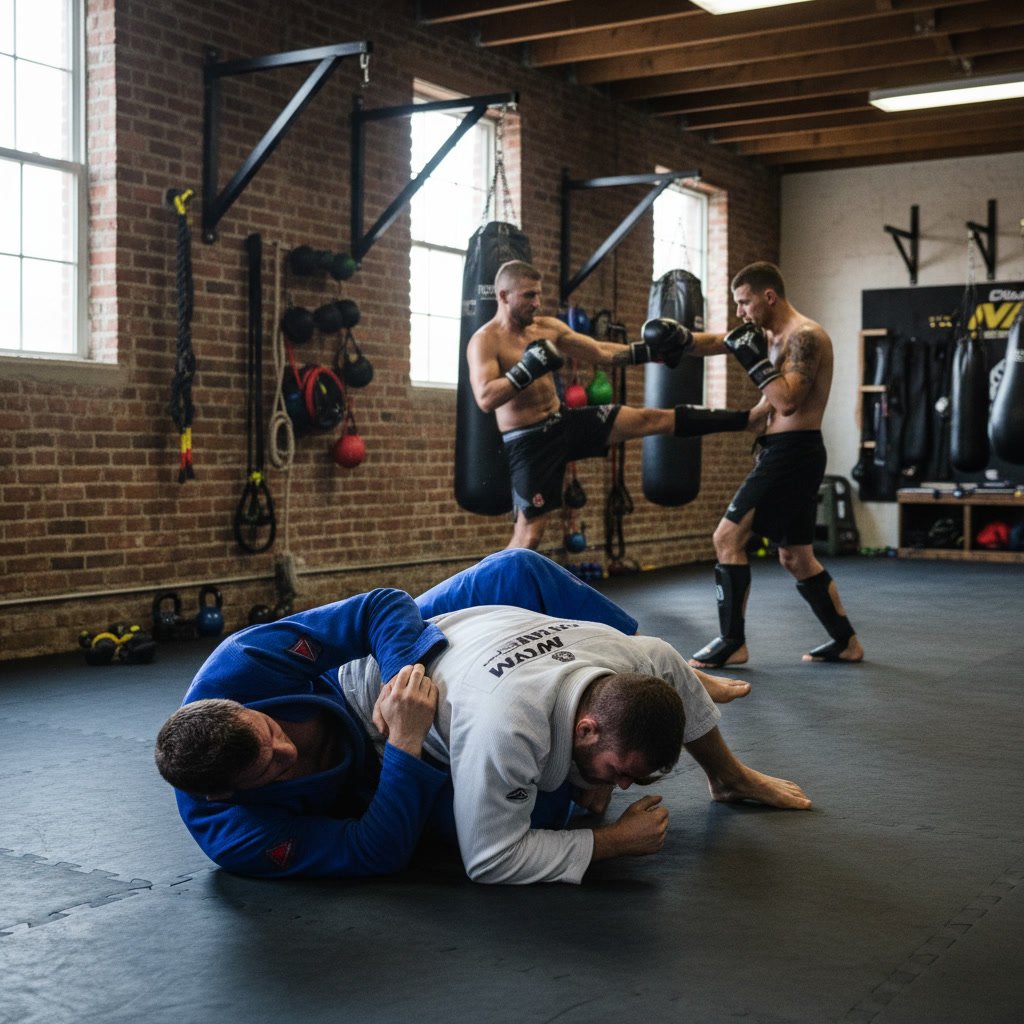
Many experienced instructors recommend that beginners train both striking and grappling simultaneously rather than choosing one exclusively. This balanced approach prevents skill gaps from developing and helps you understand how the disciplines interact in actual fighting situations. A typical week might include two striking sessions and two grappling classes, giving you exposure to both while allowing specialization time in each.
Training both disciplines from the start also reveals which one resonates more with your learning style and personality. Some students discover they love the technical complexity of ground fighting despite initially planning to focus on striking. Others find that the direct feedback and intensity of pad work makes striking their preferred training method.
The integrated approach mirrors how MMA training works for complete beginners at most reputable schools. Rather than mastering one skill before touching the other, you develop both in parallel while learning how they connect in realistic scenarios.
Making the Right Choice for Your Martial Arts Journey
The striking versus grappling decision ultimately comes down to honest self-assessment. Consider which training environment appeals to you more. If you prefer dynamic movement, enjoy working at distance, and want to develop knockout power, striking provides that path. If you appreciate technical puzzles, want to neutralize size advantages, and enjoy close-quarters control, grappling offers those experiences.
Your schedule and recovery capacity matter too. Striking training typically demands less recovery time between sessions because the controlled contact produces less muscle soreness. Grappling sessions often leave you physically exhausted and sore for days, especially during the first months as your body adapts to unfamiliar movements and positions.
Most importantly, remember that this choice is not permanent. Mixed martial arts ultimately requires both skill sets. Starting with one does not prevent you from developing the other later. Many world-class fighters began as pure wrestlers or kickboxers and successfully added the complementary skills over time.
Building Your Foundation at a Quality Training Facility
The striking versus grappling question matters less than finding qualified instruction in either discipline. Learning proper technique from the beginning prevents bad habits that take years to correct. Quality instruction also minimizes injury risk, which keeps you training consistently rather than sitting on the sidelines recovering from preventable problems.
Ten Tigers Martial Arts (Summerlin) offers comprehensive training in both striking and grappling disciplines, allowing beginners to explore both paths before specializing. The school’s curriculum includes traditional arts that emphasize striking fundamentals alongside modern grappling systems, giving students a complete martial arts education. Whether you ultimately focus on stand-up fighting or ground work, starting with proper fundamentals under experienced instruction creates the foundation for long-term success.
Your first few months of training will reveal which discipline matches your natural strengths and interests. Pay attention to which classes you look forward to attending and which techniques feel most natural to your body. These preferences indicate where you should invest your primary training time while maintaining basic competence in the other discipline. Understanding what happens during your first MMA class helps set realistic expectations regardless of which path you choose initially.
Ten Tigers Martial Arts (Summerlin) welcomes students of all experience levels to discover both striking and grappling arts in a supportive training environment. Located at 9484 West Lake Mead Blvd Suite 4 Las Vegas, NV 89134, the school offers programs designed specifically for beginners exploring mixed martial arts for the first time. Call +17026230356 to schedule your first class and start building the skills that match your goals and abilities.