

Understanding how MMA training works starts with recognizing that mixed martial arts combines techniques from multiple fighting systems into one cohesive practice. For complete beginners, training follows a structured progression that builds foundational skills before advancing to complex combinations and sparring. You start by learning basic strikes, defensive movements, and body positioning while developing the cardiovascular endurance needed for this demanding sport. Most newcomers train two to three times per week initially, with sessions lasting 60 to 90 minutes as their bodies adapt to the physical demands.
What Mixed Martial Arts Actually Includes
Mixed martial arts draws from numerous traditional fighting systems to create a well-rounded combat skillset. The core disciplines include striking arts like boxing, kickboxing, Muay Thai, and karate for punches, kicks, elbows, and knees. Grappling components come from Brazilian jiu jitsu, wrestling, and judo, teaching you throws, takedowns, submissions, and ground control. Some programs incorporate specialty systems such as Wing Chun for close-range trapping or Filipino martial arts for weapon defense concepts that translate to empty-hand techniques.
This blend allows you to fight effectively at any range, whether standing, in the clinch, or on the ground. Each discipline contributes specific strengths that fill gaps other arts leave open. The integration of these systems is what separates MMA from studying a single martial art.
The First Class Experience
Your first session typically begins with a warmup designed to prepare muscles and joints for dynamic movement. Instructors lead you through jumping jacks, shadowboxing, stretching, and basic footwork drills. This phase lasts about 10 to 15 minutes and gets your heart rate elevated while introducing fundamental movement patterns.
After warming up, you learn one or two basic techniques in detail. Instructors demonstrate proper form, break down the mechanics, and explain common mistakes. You practice these movements slowly at first, often in the air or on heavy bags rather than with partners. The goal is building muscle memory through repetition before adding speed or resistance. Most beginner classes end with a light conditioning circuit or cooldown stretching to prevent soreness and improve flexibility.
Building Your Striking Foundation
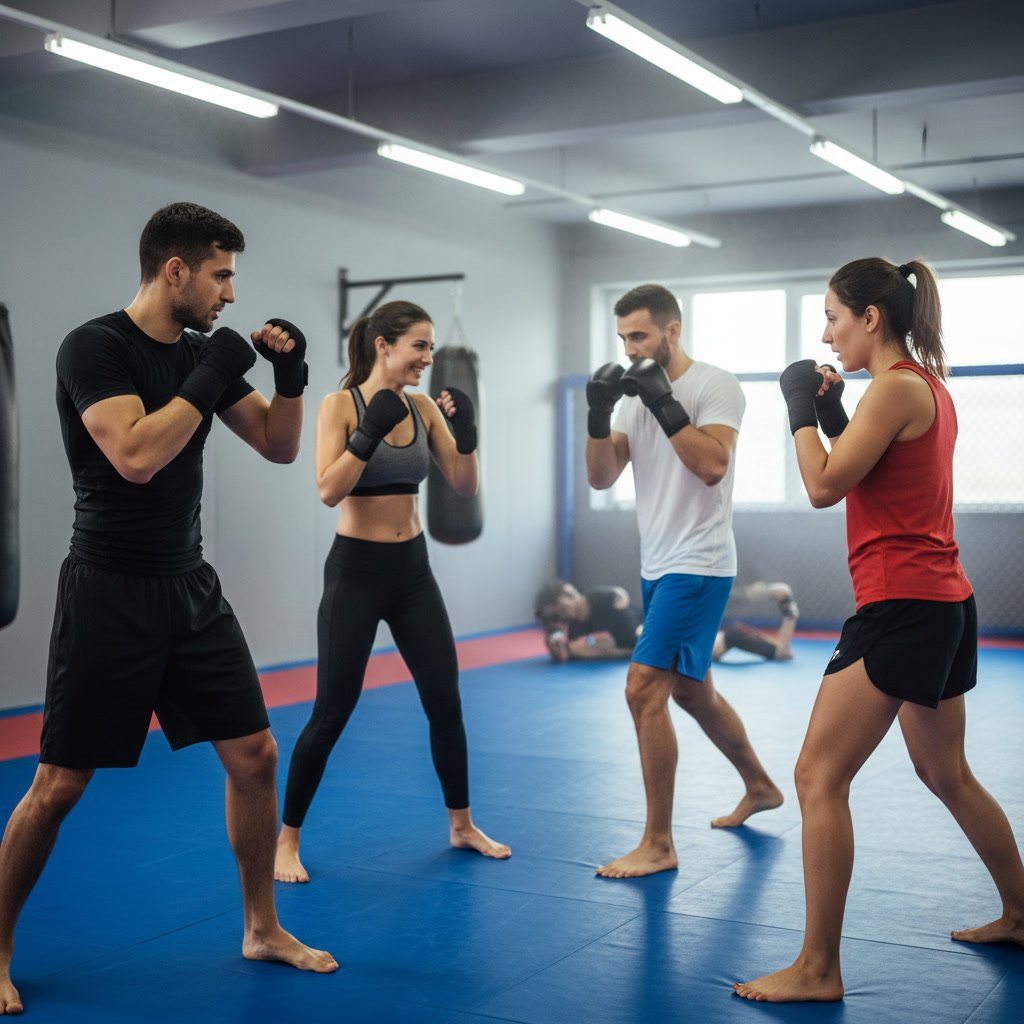
Striking training for beginners focuses on four fundamental punches: the jab, cross, hook, and uppercut. You learn proper fist formation, how to rotate your hips for power, and how to return your hands to a defensive position after each strike. Footwork drills teach you to move forward, backward, and laterally while maintaining balance and ready stance.
Kicks come next, starting with the basic front kick, roundhouse kick, and low leg kick. These techniques require more flexibility and balance than punches, so instructors emphasize controlled repetition over speed. You practice on heavy bags, focus mitts, and Thai pads to develop accuracy and power. Defensive skills like blocking, parrying, and slipping punches are introduced alongside offensive techniques so you develop a complete striking game.
Introduction to Grappling Fundamentals in Las Vegas
Grappling often feels foreign to complete beginners because it involves close physical contact and unfamiliar body positions. Training starts with basic positions like guard, mount, and side control. You learn how to maintain these positions when you have the advantage and how to escape when your opponent controls you.
Takedowns are introduced through simple techniques like the double-leg and single-leg shoots from wrestling. Instructors teach you how to change levels, penetrate your opponent’s base, and finish the takedown safely. Submission fundamentals include the rear naked choke, armbar, and guillotine choke, practiced slowly with a cooperative partner who taps immediately when the technique is applied correctly. Safety is emphasized constantly because grappling carries a higher injury risk when techniques are executed carelessly.
Step-by-Step Training Progression for New Students
Month one focuses entirely on basic techniques and conditioning. You attend fundamentals classes that review the same core movements repeatedly until they become natural. Physical adaptation is the priority as your body adjusts to new movement patterns and increased cardiovascular demand.
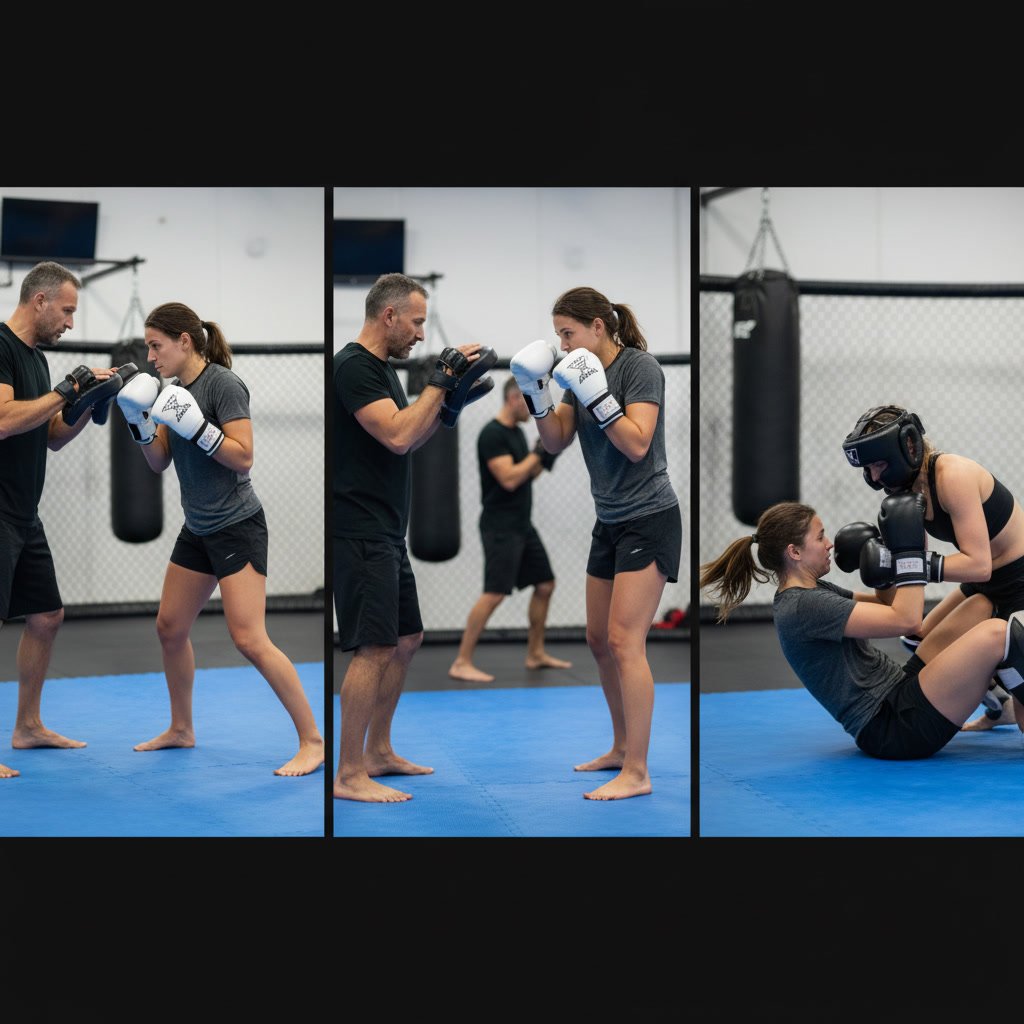
Months two and three introduce combinations that link individual techniques together. You learn to throw a jab-cross-hook combination or to secure a takedown and transition to a dominant position. Partner drills become more common, allowing you to practice techniques against live resistance in a controlled environment.
Months four through six incorporate light sparring with protective equipment and experienced training partners who control their intensity. You begin combining striking and grappling in the same round, learning to defend takedowns while setting up strikes or closing distance to grapple after landing punches. This phase builds confidence and reveals which techniques work best for your body type and natural tendencies.
Physical Conditioning Requirements
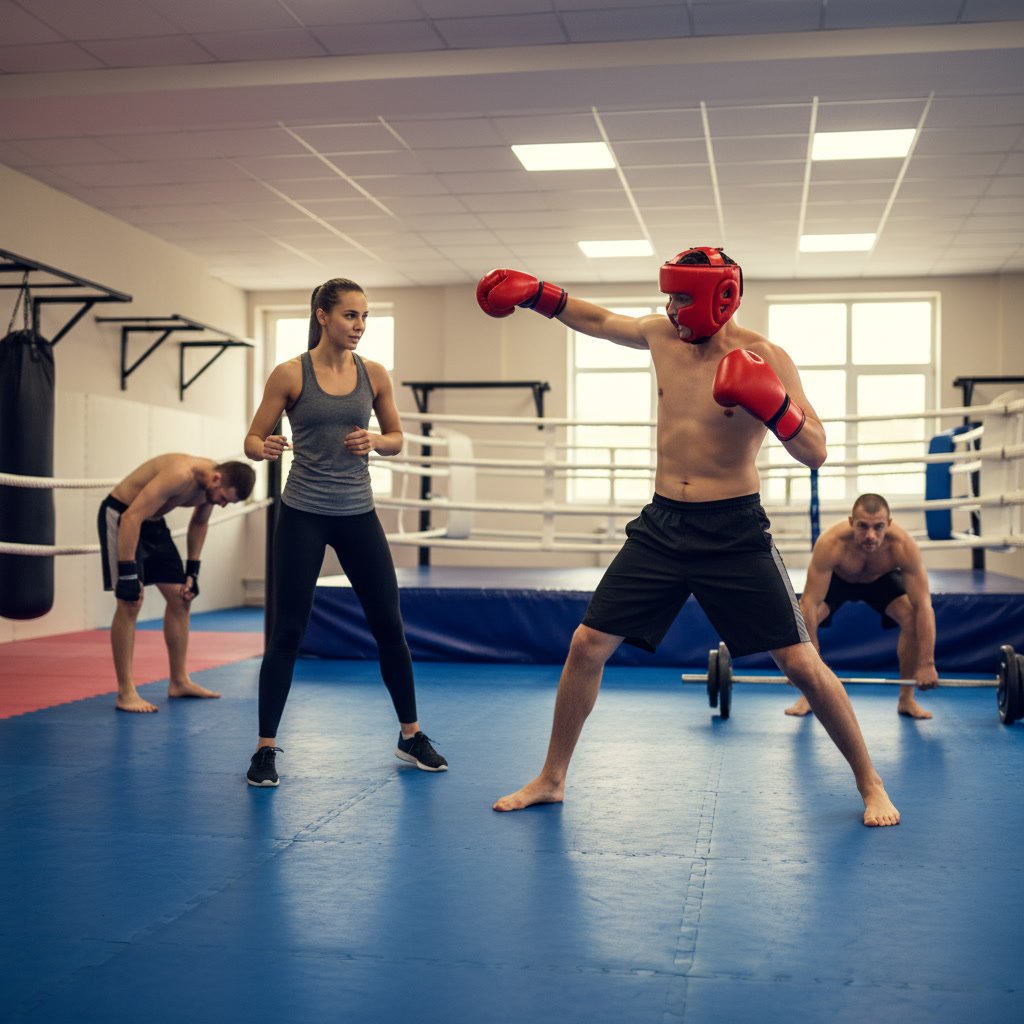
MMA demands both aerobic and anaerobic fitness because rounds alternate between steady-paced movement and explosive bursts. Beginners often struggle with the cardio intensity during their first month, breathing heavily after just a few minutes of pad work or grappling. This improves rapidly with consistent training as your cardiovascular system adapts.
Strength training complements technical practice by building the muscle needed to execute techniques powerfully and resist fatigue. Bodyweight exercises like pushups, pullups, squats, and core work form the foundation. Many students add weight training on non-MMA days to accelerate strength gains. Flexibility training through stretching or yoga reduces injury risk and improves your ability to execute high kicks and escape from tight positions on the ground.
Equipment You Need to Start
Complete beginners need minimal equipment for their first few classes. Comfortable athletic clothing that allows full range of motion is essential. Many gyms require you to train barefoot or in wrestling shoes to protect mats and training partners. Hand wraps protect your knuckles and wrists during striking practice, and most facilities sell these for five to ten dollars.
After a few weeks, you should invest in your own boxing gloves, typically 14 or 16 ounce models for beginners. A mouthguard protects your teeth during sparring. As you progress into live training, you may add shin guards, headgear, and a groin protector. Total equipment investment for the first six months typically runs between 100 and 200 dollars, though many schools provide loaner gear for newcomers.
Common Beginner Mistakes to Avoid
New students frequently try to use muscle and speed to compensate for poor technique. This leads to sloppy form, wasted energy, and increased injury risk. Focus on executing movements correctly at a controlled pace before worrying about power or velocity. Technical precision always beats raw athleticism in the long run.
Another mistake is training too frequently too soon. Your body needs recovery time to adapt and repair. Starting with more than three sessions per week often leads to burnout or overuse injuries within the first month. Gradual progression prevents these issues and builds sustainable habits.
Comparing yourself to advanced students creates unnecessary frustration. Everyone starts as a beginner, and the athletic-looking competitors you see were once exactly where you are now. Measure progress against your own baseline rather than others who have trained for years.
Mental and Discipline Benefits Beyond Fighting
MMA training develops mental toughness that transfers directly to daily life challenges. Pushing through a difficult round when your lungs burn and muscles ache builds resilience you can apply to work deadlines, family stress, or personal setbacks. The discipline required to attend class consistently despite fatigue or competing priorities strengthens your ability to follow through on commitments.
Many students report improved focus and reduced anxiety after several months of training. The intense physical activity releases endorphins and provides a healthy outlet for stress. The problem-solving aspect of learning techniques and applying them against resisting opponents sharpens cognitive function and spatial awareness.
Choosing the Right Program for Your Goals
Not all MMA programs serve the same purposes. Some focus heavily on competition preparation, pushing students toward amateur fights within their first year. Others emphasize fitness and self-defense applications for students who want the benefits of training without ever competing.
Look for schools that separate beginner and advanced classes rather than mixing all skill levels together. This ensures you receive instruction appropriate to your current abilities and prevents frustration from being overwhelmed by complex techniques you lack the foundation to understand. Instructor credentials matter less than their ability to communicate clearly and create a supportive learning environment. A black belt who cannot teach effectively provides less value than a brown belt with strong coaching skills and patience.
Visit multiple facilities before committing. Watch a class, talk to current students about their experience, and assess whether the atmosphere feels welcoming or intimidating. Ten Tigers Martial Arts (Summerlin) offers beginner-focused programs that introduce complete newcomers to MMA fundamentals through structured progression across multiple disciplines including kempo, Wing Chun, Filipino martial arts, and Jeet Kune Do.
Starting Your MMA Journey With Confidence
Understanding the structure of beginner MMA training removes much of the uncertainty that prevents people from starting. You now know what to expect in your first class, how skills build progressively over months, and what physical and mental benefits await beyond just learning to fight. The key is taking that first step despite any nervousness or self-doubt about your current fitness level.
Mixed martial arts welcomes students of all backgrounds, body types, and athletic abilities. The skills you develop translate into genuine self-defense capability, improved health markers, and a supportive community of training partners who push you to improve. Whether your goal is competition, fitness, practical self-defense, or simply trying something new, MMA training provides a clear path forward with measurable progress.
Ready to experience how effective martial arts training builds real skills and confidence? Ten Tigers Martial Arts (Summerlin) guides complete beginners through every step of their MMA journey at our facility on West Lake Mead Boulevard. Call +17026230356 to schedule your first class and discover what you are capable of achieving.