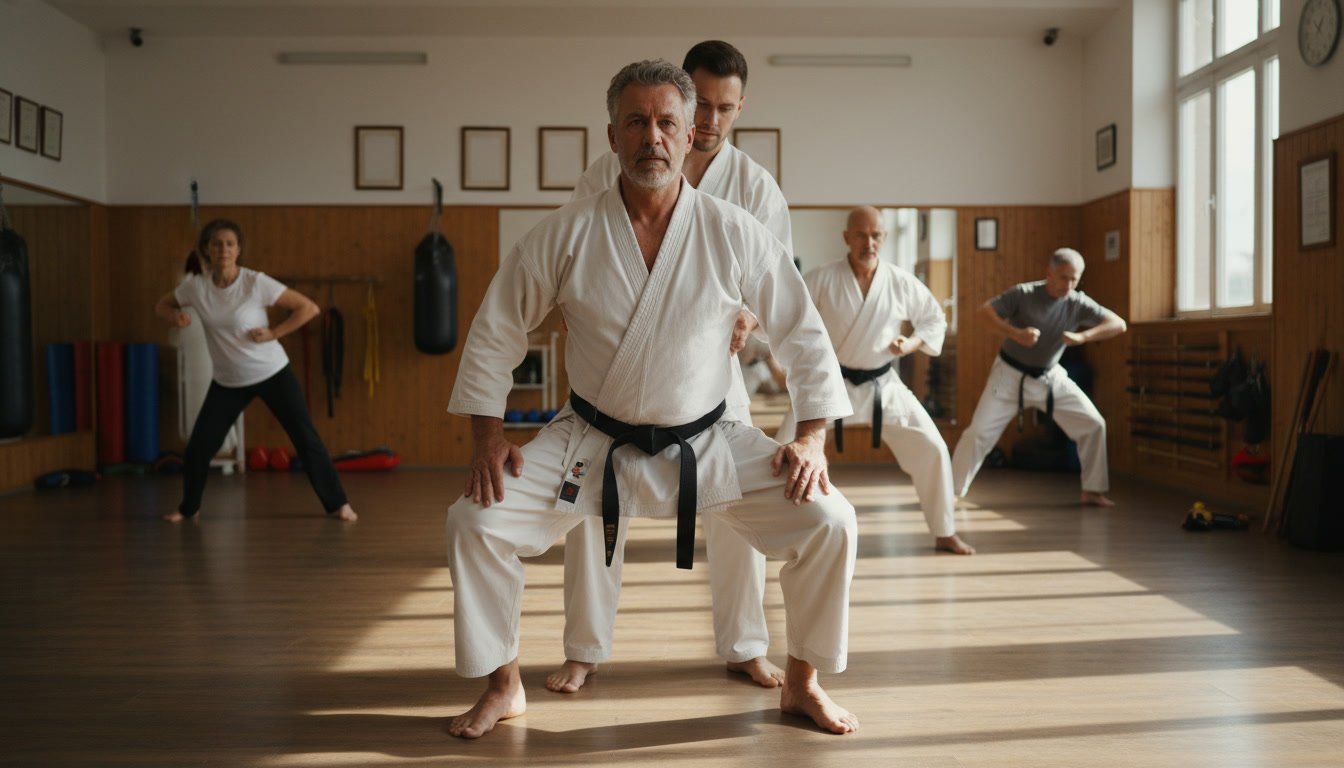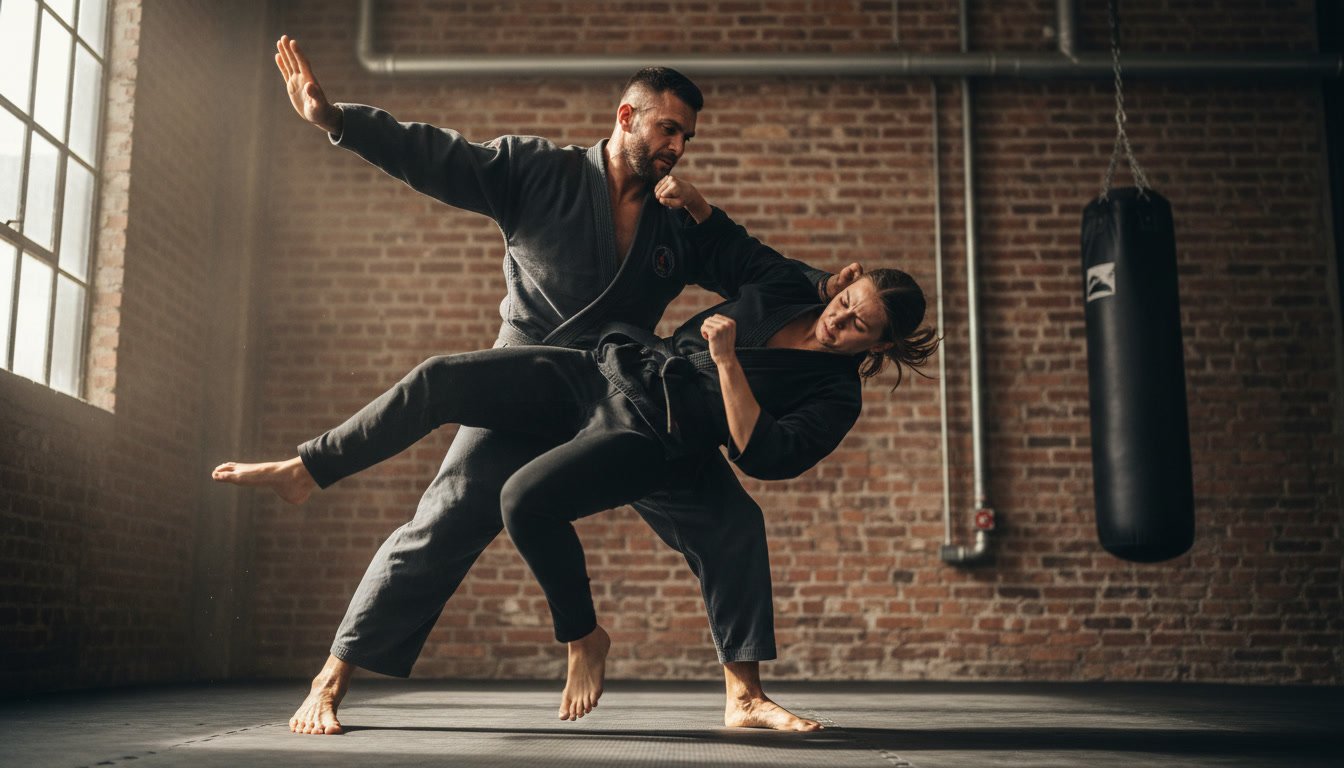
MMA conditioning workouts between technique sessions focus on cardiovascular endurance, explosive power, muscular strength, and fight-specific stamina. These sessions prepare your body to perform techniques under fatigue and build the physical foundation required for competition or real-world self-defense. Conditioning bridges the gap between learning a move and executing it when your body is pushed to its limit.
Most fighters divide their training into technique work and conditioning because each demands a different training approach. While you learn strikes, submissions, and footwork during technical practice, conditioning sessions ensure your body can deliver those skills for an entire round or longer.
Why Fighters Separate Conditioning from Technique Training
Technique practice requires mental focus and muscle memory development. If you are gasping for air or shaking from exhaustion, you cannot refine proper form or absorb coaching feedback. Separating conditioning allows you to master movements with precision, then build the engine to power those movements under stress.
Conditioning work also creates adaptation that technique drilling alone cannot provide. Your heart rate during pad work rarely reaches the sustained intensity of a three-minute round with 30 seconds rest. Dedicated conditioning fills that gap and prepares your body for the unique metabolic demands of fighting.
Building the Aerobic Base for Extended Rounds
Aerobic conditioning forms the foundation of fight fitness. Without it, you fade in the second round and lose the ability to defend yourself or press an advantage. Most conditioning sessions include steady-state cardio such as jogging, rowing, or cycling for 20 to 40 minutes at a moderate pace.
This base-building work increases stroke volume in your heart, improves oxygen delivery to muscles, and trains your body to clear lactate efficiently. Fighters who skip this phase often hit a wall mid-fight, even if their techniques are sharp. The aerobic system fuels recovery between explosive bursts and sustains you when rounds stretch longer than expected.
Explosive Power Development Through Plyometrics and Sprints
Explosive power separates effective strikes from arm punches and weak kicks. Conditioning sessions dedicated to power include box jumps, broad jumps, medicine ball slams, and sprint intervals. These movements train your fast-twitch muscle fibers to fire rapidly and generate force in fractions of a second.
A typical power session might include five sets of five box jumps at maximum height, followed by 10 sets of 20-second sprints with 40 seconds of walking recovery. The goal is not endurance but maximum output in each rep. This type of work translates directly to knockout power and takedown explosiveness in the cage or ring.
Strength Training That Supports Grappling and Striking
Strength work in MMA differs from bodybuilding. Fighters need functional strength that enhances movement rather than restricting it. Conditioning sessions often include compound lifts such as deadlifts, squats, bench presses, and rows, performed with moderate weight and controlled tempo.
Grip strength and core stability receive special attention because grappling, clinch work, and defensive postures demand them. Farmers carries, hanging exercises, planks, and anti-rotation drills appear frequently. A strong core protects your spine during throws and allows you to generate torque in punches and kicks.
High-Intensity Interval Training for Fight Simulation in Las Vegas
High-intensity interval training, or HIIT, mimics the start-stop rhythm of a real fight. These sessions push your heart rate to 85 or 95 percent of maximum, hold it there for 20 to 60 seconds, then drop into active recovery. Burpees, battle ropes, heavy bag intervals, and kettlebell swings are common tools.
At Ten Tigers Martial Arts (Summerlin), conditioning sessions integrate fight-specific intervals that prepare students for the metabolic chaos of sparring. A sample workout might include eight rounds of 30 seconds maximum-effort punching on the heavy bag, followed by 30 seconds of shadowboxing at a slow pace. This trains your body to recover quickly and deliver power even when fatigued.
HIIT also builds mental toughness. Learning to push through discomfort when your lungs burn and your legs shake prepares you for the psychological pressure of a real match. Conditioning becomes as much a test of will as a test of fitness.

Core and Stability Work for Defense and Balance
Core conditioning extends beyond sit-ups and crunches. Fighters need rotational strength, anti-extension control, and the ability to brace against impacts. Workouts include Turkish get-ups, pallof presses, dead bugs, and stability ball rollouts.
Balance drills on unstable surfaces such as BOSU balls or single-leg exercises also appear. These prepare your body to stay upright during scrambles, recover from off-balance positions, and absorb strikes without crumpling. A strong, stable core is the anchor for every technique you learn during adult group classes or private sessions.
Endurance Circuits That Combine Cardio and Strength
Many conditioning sessions blend cardio and strength into circuit formats. A sample circuit might include 10 kettlebell swings, 10 push-ups, 10 box jumps, and a 200-meter run, repeated for five rounds with minimal rest. These circuits train your body to transition between movement types without losing output.
Circuits also keep training time efficient. In 20 to 30 minutes, you challenge multiple energy systems and muscle groups. This approach works well for students balancing training with work and family commitments in areas such as North Summerlin and The Lakes.
Grip and Forearm Conditioning for Grappling Control
Grip strength often determines success in grappling exchanges. If your hands open during a submission attempt or clinch battle, you lose positional advantage. Conditioning sessions include dead hangs from a pull-up bar, towel pull-ups, plate pinches, and wrist roller exercises.
Forearm endurance matters as much as peak grip strength. Holding a guillotine choke or controlling an opponent’s wrist for 90 seconds requires muscular endurance that most people lack. Timed hangs and high-rep grip work build that capacity over weeks and months of consistent effort.

Recovery Techniques Built Into Conditioning Sessions
Smart conditioning programs include active recovery elements such as light jogging, foam rolling, and stretching. These activities promote blood flow, reduce muscle soreness, and prepare your body for the next training session. Skipping recovery leads to overtraining, injury, and burnout.
Breathing drills also play a role. Controlled nasal breathing during low-intensity cardio trains your diaphragm and calms your nervous system. This skill transfers to sparring, where staying calm under pressure can mean the difference between a composed response and a panicked reaction. Students who train with us learn early that recovery is not laziness but a necessary part of growth.
How Conditioning Supports Other Martial Arts Disciplines
Conditioning work benefits students in every martial art, not just MMA. Whether you train in Karate, kickboxing, or self defense, improved cardiovascular fitness and strength enhance your performance. A stronger base allows you to execute techniques with more speed and less effort.
For students exploring multiple styles, conditioning creates a common thread. The stamina you build in MMA circuits carries over to Filipino Martial Arts drills or Jeet Kun Do sparring. Cross-training in conditioning accelerates progress across all disciplines and reduces the risk of stagnation.
Understanding how MMA training works for complete beginners often starts with grasping the role of conditioning in building a well-rounded fighter.
Building a Sustainable Training Rhythm
Effective conditioning does not mean destroying your body every session. Periodization, the practice of cycling intensity and volume, prevents overuse injuries and allows for peak performance when it matters. A typical week might include two high-intensity conditioning days, two moderate aerobic sessions, and one active recovery day.
Listening to your body is not a weakness. Pushing through true pain or ignoring persistent fatigue leads to setbacks that erase weeks of progress. Experienced coaches adjust conditioning loads based on how students respond, ensuring long-term growth rather than short-term exhaustion.
Conditioning workouts fill the gap between learning techniques and applying them under the stress of real combat. They build the cardiovascular base, explosive power, and mental resilience required to perform when it counts. At Ten Tigers Martial Arts (Summerlin), conditioning is tailored to each student’s goals, whether preparing for competition or simply improving health and confidence. Every session is designed to push you forward without breaking you down.
If you are ready to build the physical foundation that supports every martial art you train, reach out to our team. We offer programs for students in South Summerlin and Northwest Las Vegas and surrounding areas. Contact us at +17026230356 to schedule your first session and experience how structured conditioning transforms your performance.