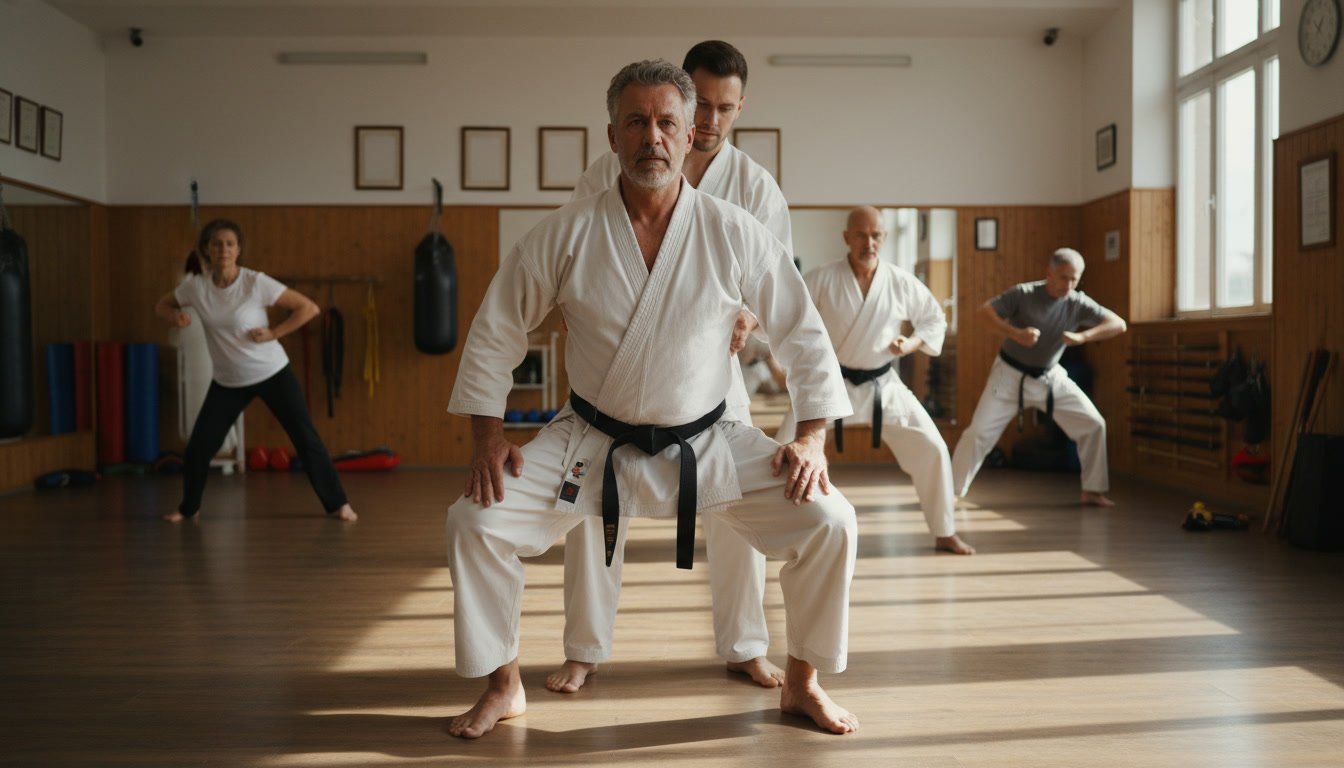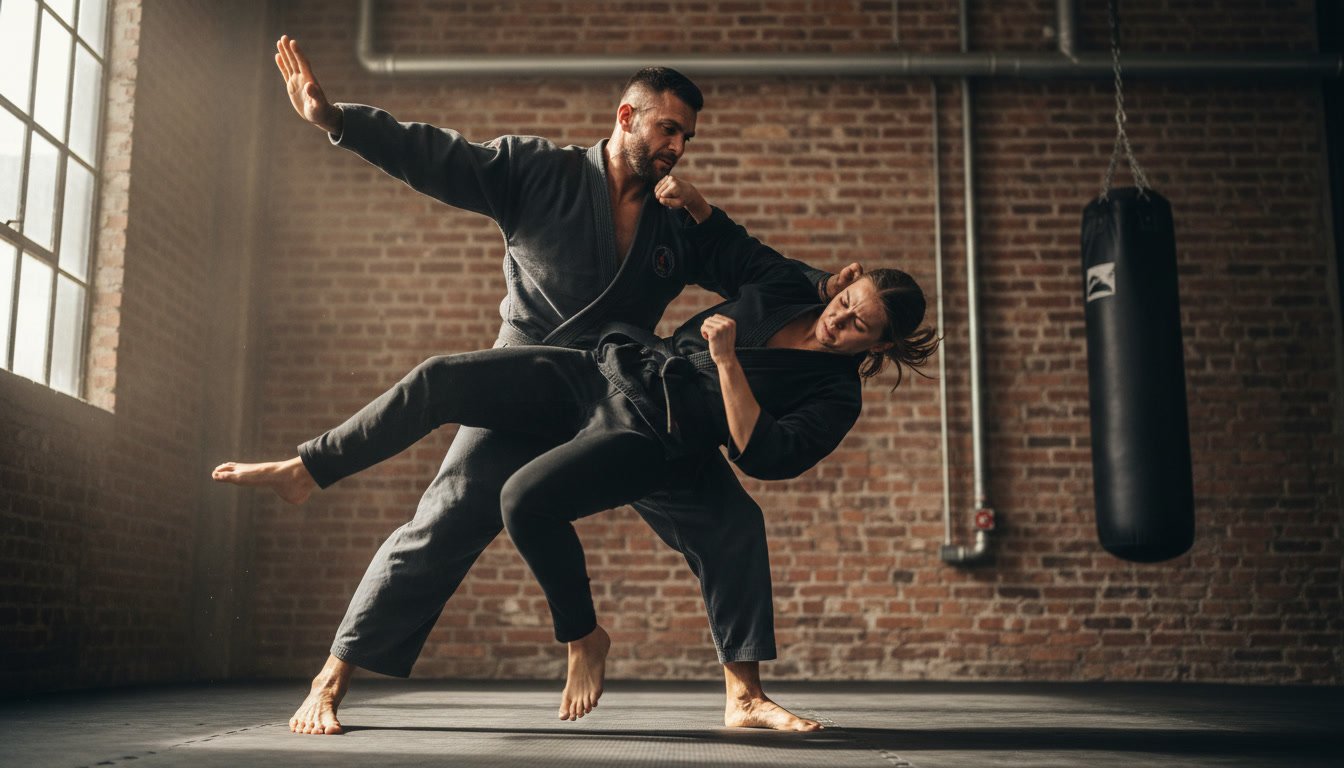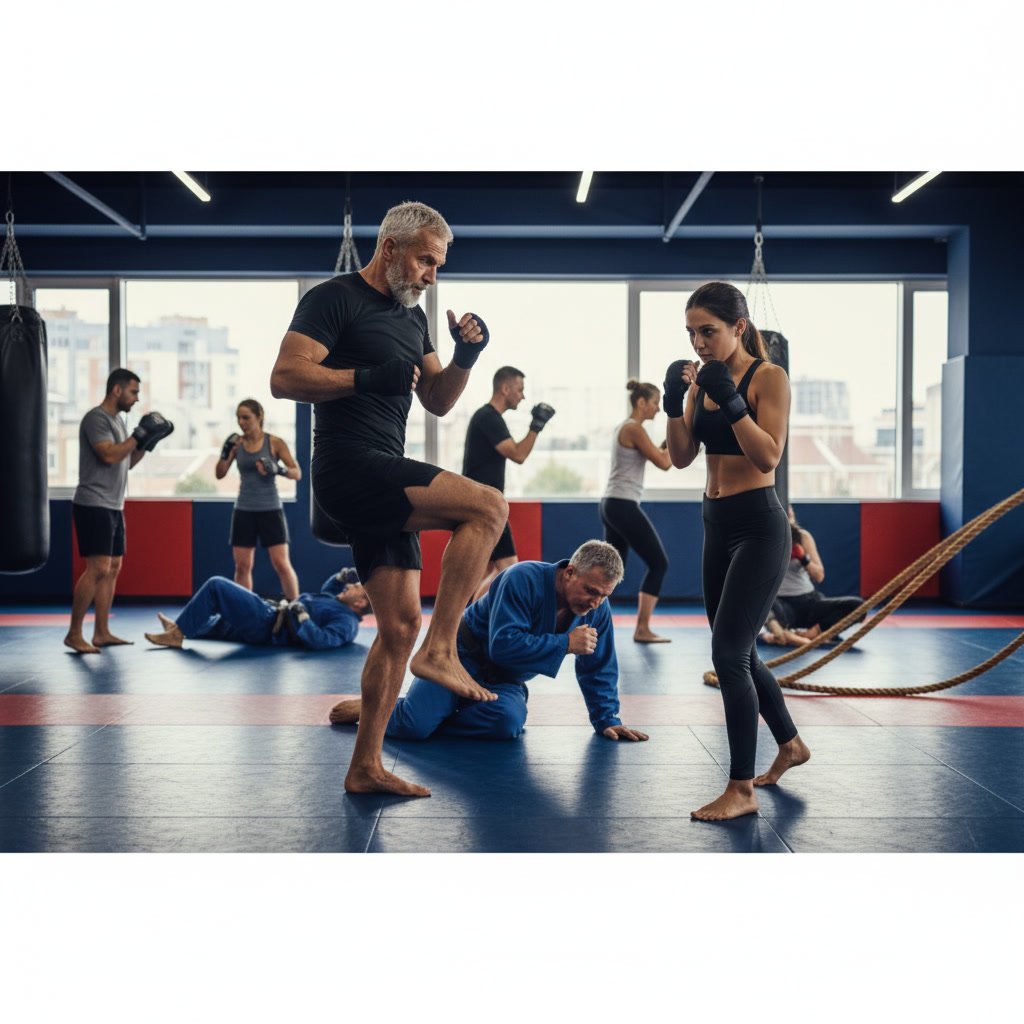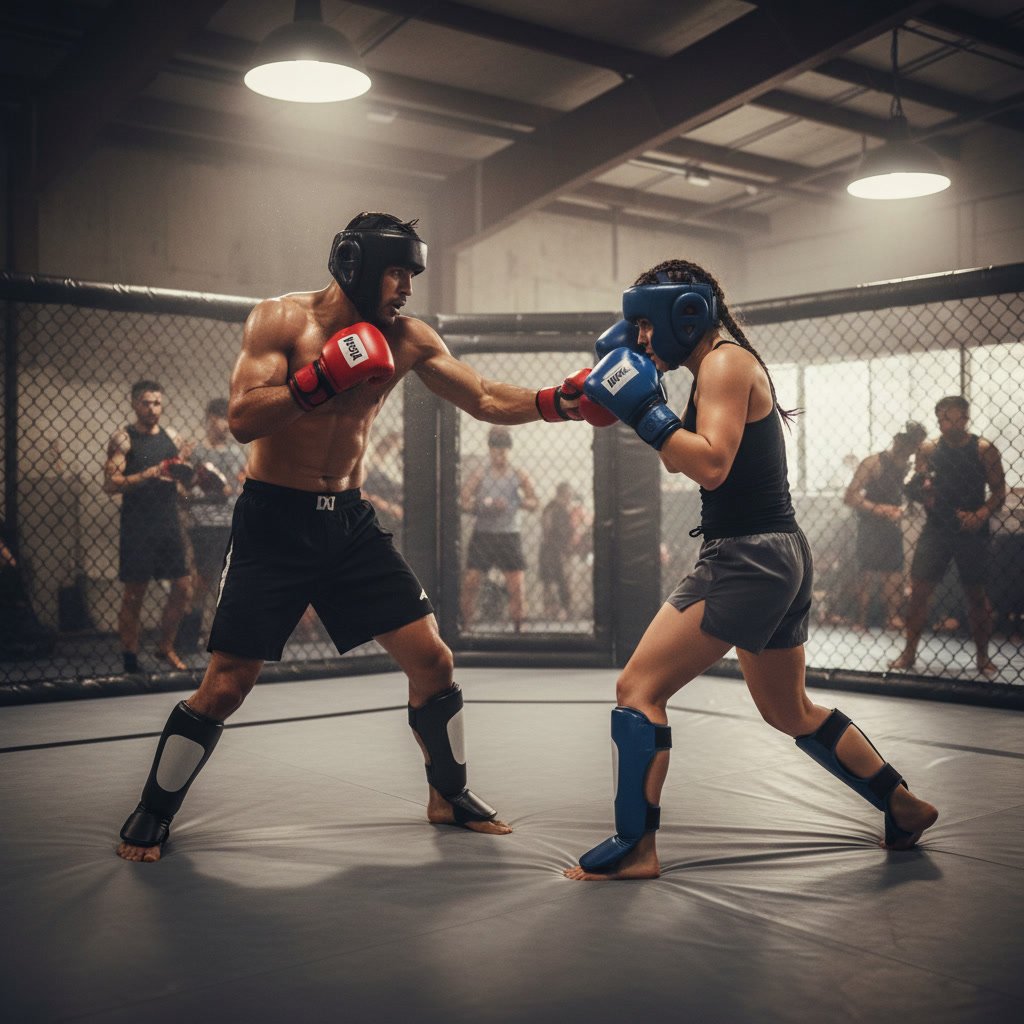
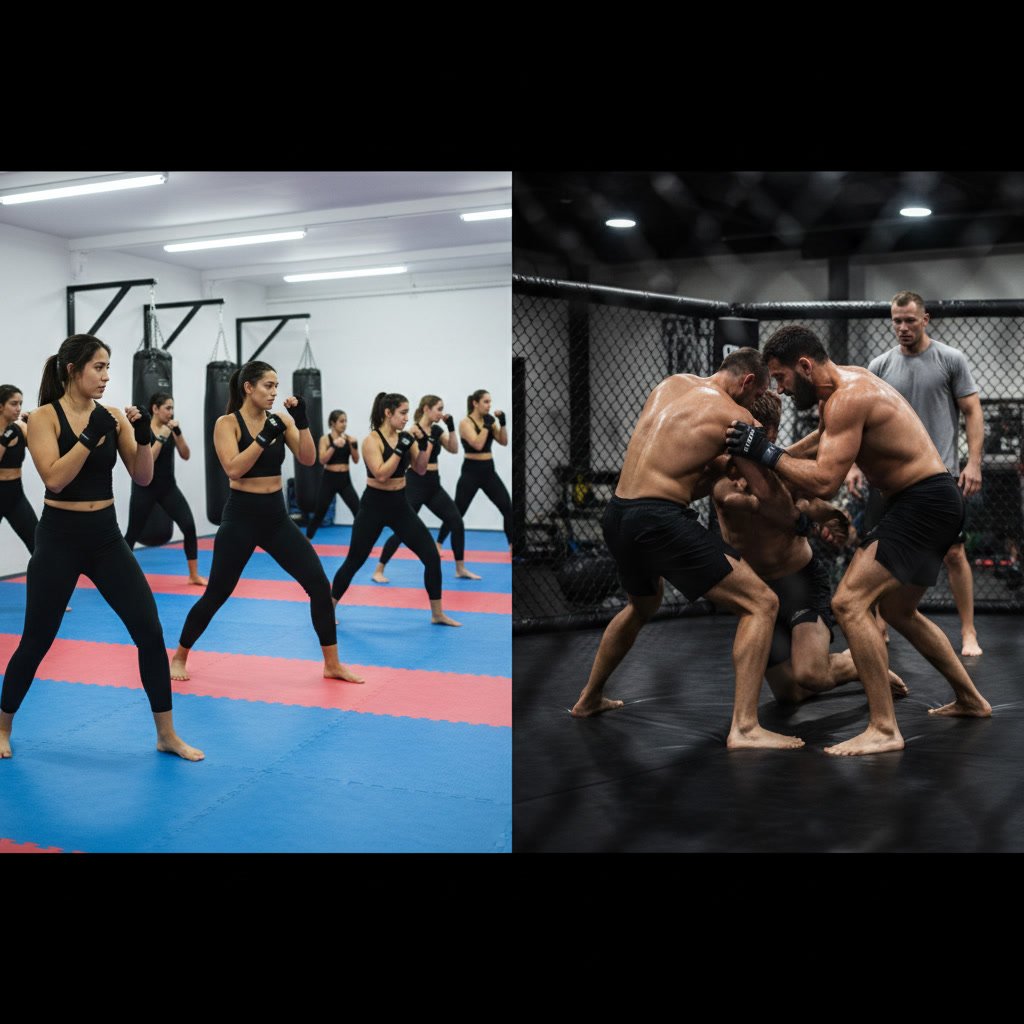
Your first MMA class typically begins with a warm-up, followed by technique instruction in striking and grappling, partner drills to practice new skills, and a cool-down period. Most beginner sessions last 60 to 90 minutes and focus on fundamental movements rather than intense sparring. Instructors prioritize safety and proper form, ensuring new students learn at a comfortable pace.
Why Mixed Martial Arts Training Appeals to So Many People
Mixed martial arts combines striking techniques from boxing and kickboxing with grappling methods from wrestling and jujitsu. This blend creates a complete fighting system that develops both stand-up and ground skills. People choose MMA training for fitness, self-defense, confidence building, or simply because they enjoy learning something challenging and practical.
The training environment tends to be supportive rather than aggressive. Experienced practitioners remember their own early struggles and often help newcomers. Studios that teach multiple disciplines under one roof give students exposure to various martial arts styles without committing to a single system.
What Makes Beginner Classes Different from Advanced Training
Beginner MMA classes move at a slower pace and break down techniques into smaller pieces. Instructors explain the purpose behind each movement and demonstrate common mistakes to avoid. You will not be thrown into full-contact sparring on day one. Most schools separate students by experience level to ensure everyone trains safely and learns appropriate skills for their stage.
Advanced classes assume students already know basic techniques and can maintain proper form under fatigue. Beginners need time to build that foundation. The drills are simpler, the rounds are shorter, and the feedback is more detailed in entry-level sessions.
Arriving at the Gym and Checking In
Plan to arrive 10 to 15 minutes early. This gives you time to complete any required paperwork, tour the facility, and meet your instructor. Most gyms ask new students to sign a waiver and provide emergency contact information. Some offer a brief orientation to show you where to change, where water fountains are located, and where equipment is stored.
Wear comfortable athletic clothing that allows full range of motion. A t-shirt and athletic shorts or leggings work well. You will train barefoot on the mats, so leave your shoes in the designated area. Bring a water bottle and a small towel. Remove all jewelry before class to prevent injuries.
The Warm-Up Phase and Why It Matters
Every class begins with a warm-up lasting 10 to 15 minutes. This typically includes jogging or movement drills around the mat, dynamic stretches, and bodyweight exercises like pushups, squats, and sit-ups. The goal is to raise your heart rate, increase blood flow to your muscles, and prepare your joints for the movements ahead.
Instructors often include shadowboxing or shadow kicking during the warm-up. You practice throwing punches and kicks in the air without a target. This reinforces proper form and helps your body memorize the motions. Do not skip the warm-up or show up late. A cold muscle tears more easily than a warm one.
Learning Your First Striking Techniques in Las Vegas
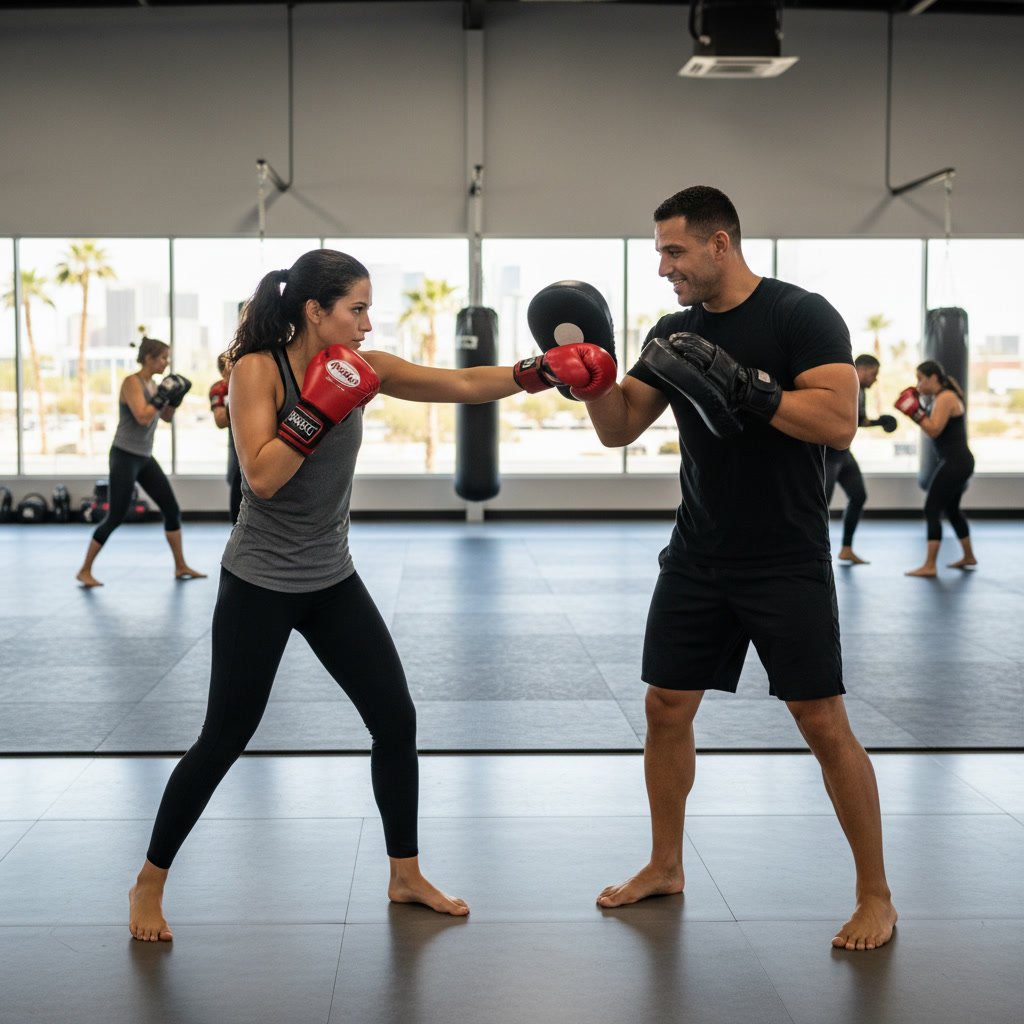
After the warm-up, the instructor demonstrates one or two striking techniques. For beginners, this usually means learning the basic punches: jab, cross, hook, and uppercut. The instructor shows proper stance, weight distribution, hip rotation, and how to make a fist correctly. Small details matter. A thumb placed inside your fingers can break when you hit a target.
You will practice these strikes slowly at first, focusing on form rather than speed or power. The instructor walks around the room, correcting posture and hand positioning. This portion of class lasts 15 to 20 minutes. Some schools introduce basic kicks during the first session, while others save kicks for the second or third class.
Introduction to Grappling and Ground Positions
MMA includes grappling, which means controlling an opponent through holds, takedowns, and ground positions. Your first class may introduce basic positions like the guard, where one person is on their back with legs wrapped around the other person. Instructors explain how to maintain posture, protect yourself, and escape from bad positions.
Grappling feels awkward at first because most people have no experience controlling another person’s body weight. Instructors teach one simple technique, such as a basic escape from side control or how to establish a dominant position. You learn the steps slowly, then practice with a partner at controlled speed.
Partner Drills and Controlled Practice
Once the instructor demonstrates a technique, students pair up to practice. One person holds pads or plays a passive role while the other practices the movement. After a set number of repetitions or a timed round, you switch roles. These drills build muscle memory and let you feel what the technique is like against a real person.
Partners are usually matched by size and experience level. Instructors emphasize control and communication. You are not trying to hurt your partner. You are helping each other learn. If something feels wrong or painful, you stop and reset. This cooperative approach is standard in quality martial arts schools.
Conditioning Work and Building Your Foundation
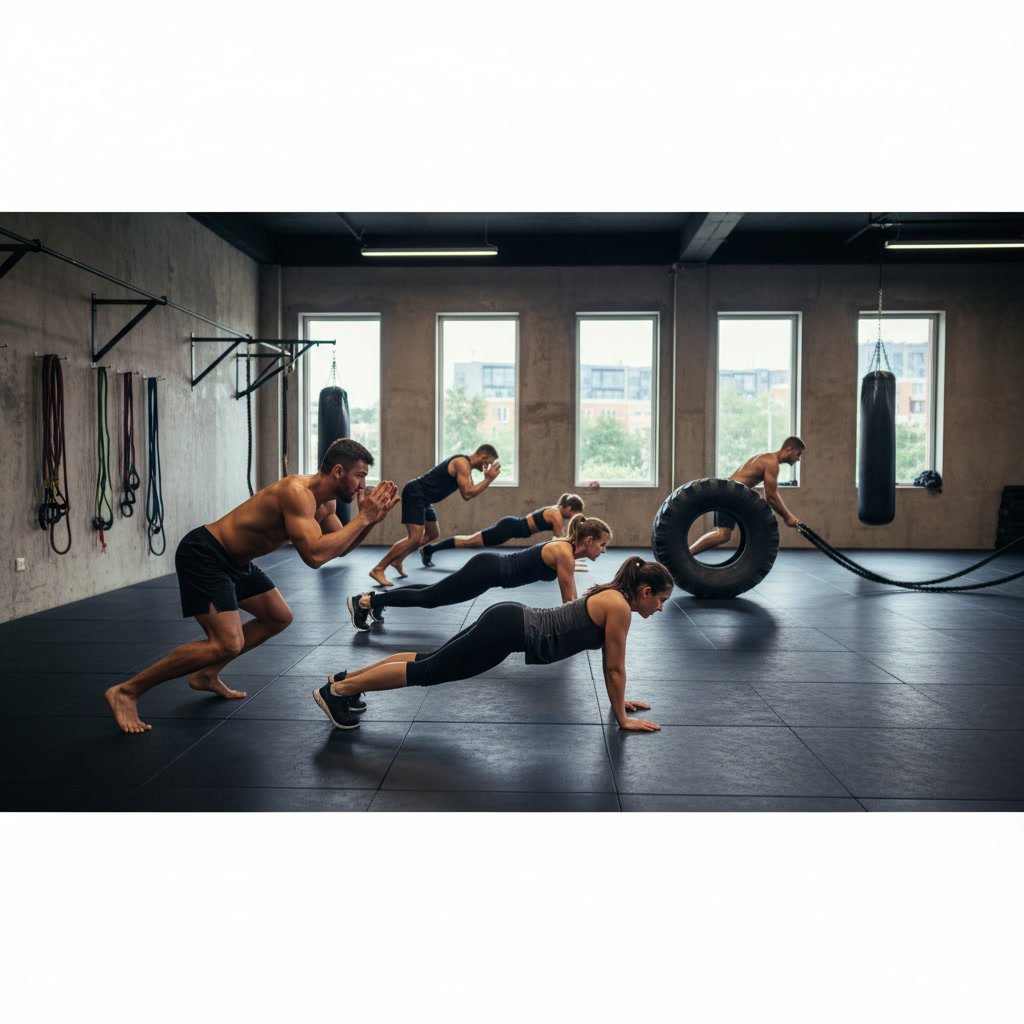
Many beginner classes include a short conditioning segment near the end. This might involve circuits of bodyweight exercises, core work, or cardio drills. The purpose is to build the strength and endurance you need for more advanced training. MMA requires full-body fitness: strong legs for kicks and takedowns, core strength for stability, and upper body strength for grappling.
Instructors modify exercises for different fitness levels. If you cannot do a full pushup, you do them on your knees. If a drill is too intense, you slow down or take a brief rest. Progress happens over weeks and months, not in a single session. Consistent attendance matters more than raw athletic ability.
Cool-Down and Stretching to Prevent Injury
The final five to 10 minutes focus on bringing your heart rate down and stretching major muscle groups. Static stretching after training helps reduce soreness and improve flexibility over time. The instructor leads the group through stretches for the hips, shoulders, hamstrings, and back.
This is also when instructors answer questions and provide feedback. You might ask about a technique that confused you or clarify something you saw during drills. Some schools encourage students to stay after class to practice or ask for additional help.
Common Concerns and How Instructors Address Them
New students often worry about getting hurt, feeling out of shape, or not keeping up with the class. Quality instructors recognize these concerns and structure beginner classes to address them. Sparring is introduced gradually, only after students demonstrate control and understanding of basic techniques. Most injuries in martial arts happen when students ignore proper warm-up, skip fundamentals, or train with reckless partners.
Fitness improves with regular attendance. No one expects you to match the endurance of someone who has trained for six months. Instructors who served as combat medics, like the founder at Ten Tigers Martial Arts (Summerlin), understand body mechanics and injury prevention at a deeper level. They can spot risky movements and correct them before problems develop.
Taking the Next Step in Your Training Journey
Your first class gives you a foundation to build on. Each session adds new techniques and reinforces what you learned before. Most students notice improvements in coordination, fitness, and confidence within the first month. The key is showing up consistently and staying open to feedback.
Martial arts training offers more than physical skills. It teaches discipline, patience, and how to stay calm under pressure. Whether your goal is self-defense, fitness, or learning a new skill, the journey starts with that first class. The techniques you learn work because they draw from proven systems like karate, wing chun, and Filipino martial arts, all refined through real-world application.
If you are ready to experience what MMA training can do for you, Ten Tigers Martial Arts (Summerlin) welcomes beginners of all fitness levels. Classes are structured to help you learn safely and progress at your own pace. Reach out at +17026230356 to schedule your first session and see how martial arts can fit into your life.