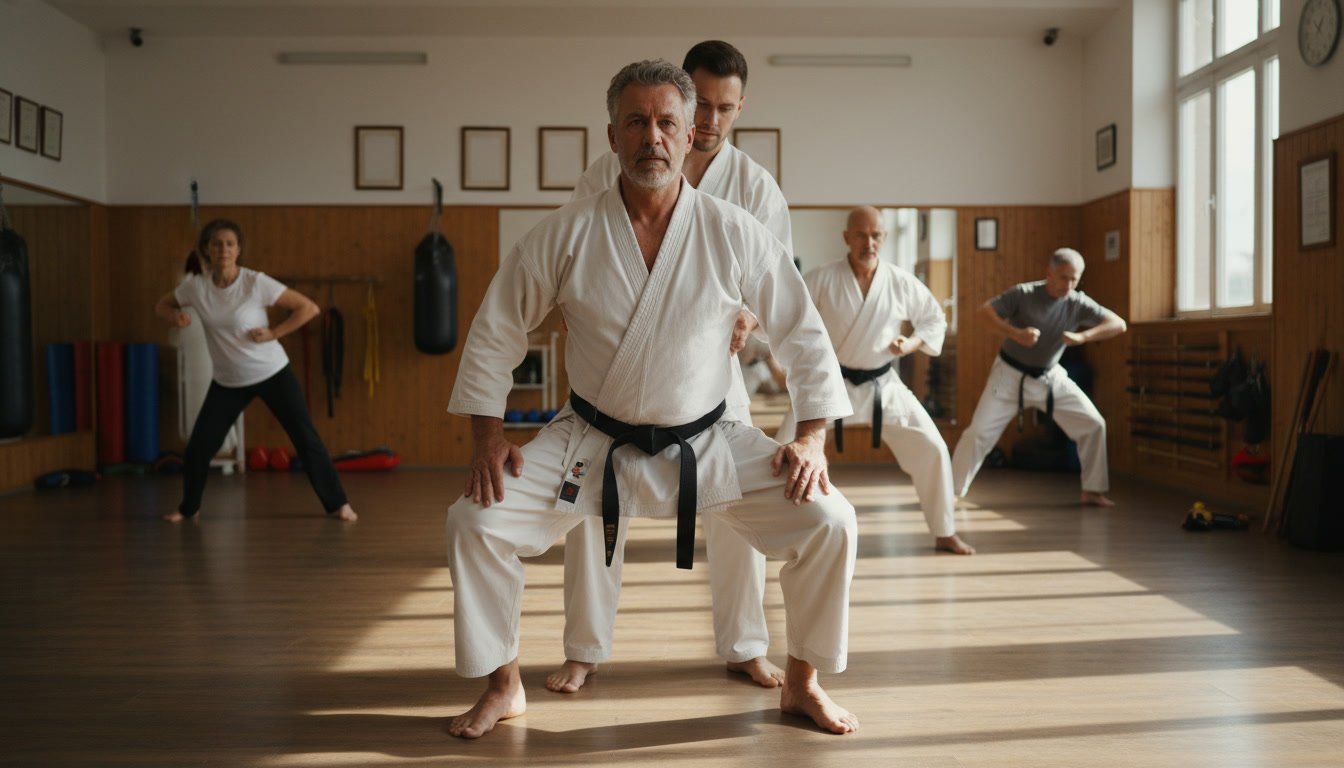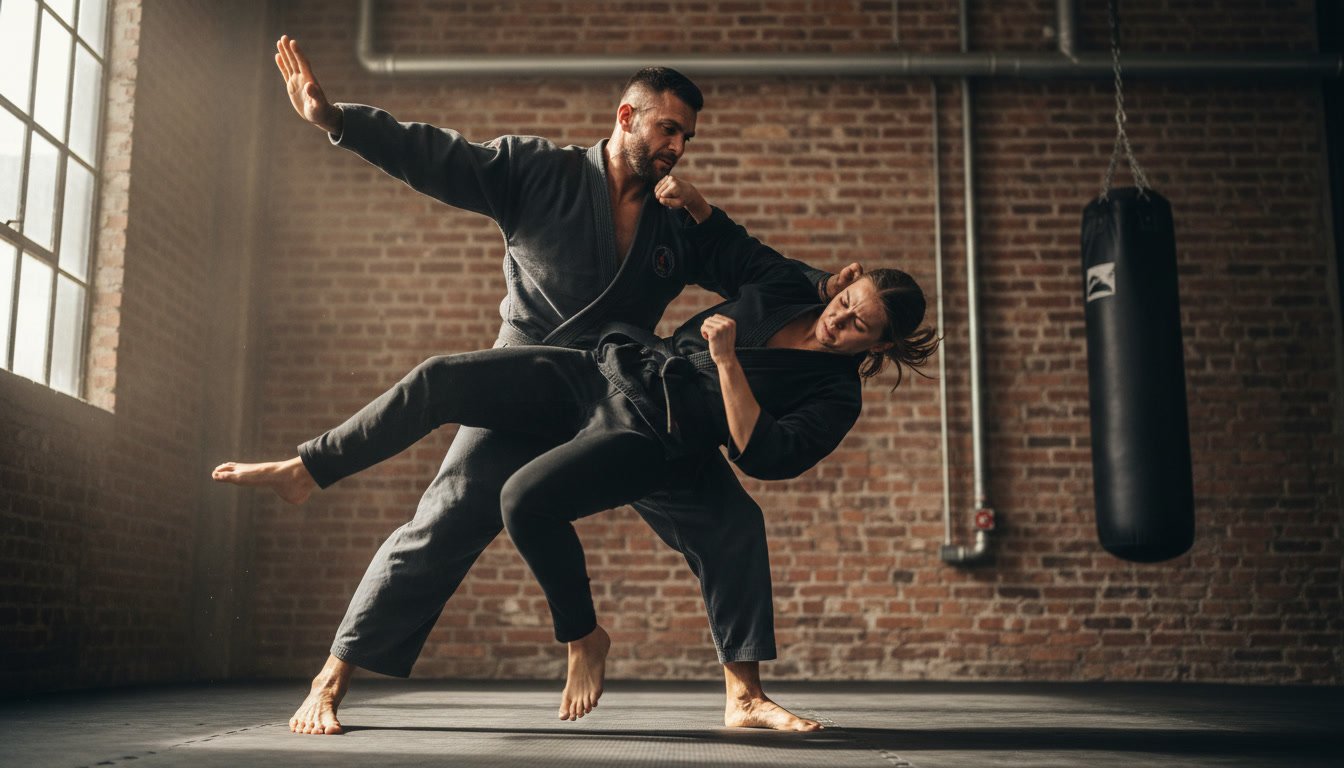
MMA sparring sessions for first-timers can feel intimidating, but understanding the process helps you walk in prepared. Sparring introduces controlled contact after you’ve learned basic techniques, building timing and reflexes under the watchful eye of an experienced instructor. Most gyms require several weeks of fundamentals training before allowing new students to spar, ensuring you understand how to protect yourself and respect your training partners.
Understanding the Difference Between Drilling and Live Sparring
Before stepping into your first sparring round, you need to understand that drilling and sparring serve different purposes. Drilling involves repeating techniques with a compliant partner who helps you learn movement patterns. Your partner might hold pads, feed you specific strikes, or allow you to practice submissions without resistance.
Live sparring adds unpredictability and resistance. Your partner actively defends, counters, and attempts their own techniques. This shift challenges your ability to apply skills under pressure. Many students who excel at drilling feel lost during their first sparring session because the dynamic changes completely.
The transition from cooperative drilling to competitive sparring happens gradually. Most instructors introduce positional sparring first, where you start from specific positions like guard or side control and work only on that scenario. This focused approach builds confidence before moving to full free sparring.
What Training You Need Before Your First Sparring Round
Reputable martial arts schools require a foundation before allowing students to spar. Expect to spend four to eight weeks learning basic striking defense, how to maintain distance, and proper protective stances. You’ll practice fundamental submissions and escapes in grappling before applying them against resistance.
Understanding how to tap out is critical. Tapping signals your partner to immediately release a submission or stop pressure. You can tap with your hand on your partner or the mat, or verbally say “tap” if your hands are trapped. No ego exists in tapping. Experienced fighters tap dozens of times per training session.
Physical conditioning matters more than most beginners realize. Your first few rounds will exhaust you faster than expected. Building a conditioning base through pad work and drilling helps you maintain technique when fatigue sets in during sparring.
The Safety Equipment You’ll Wear During Sessions
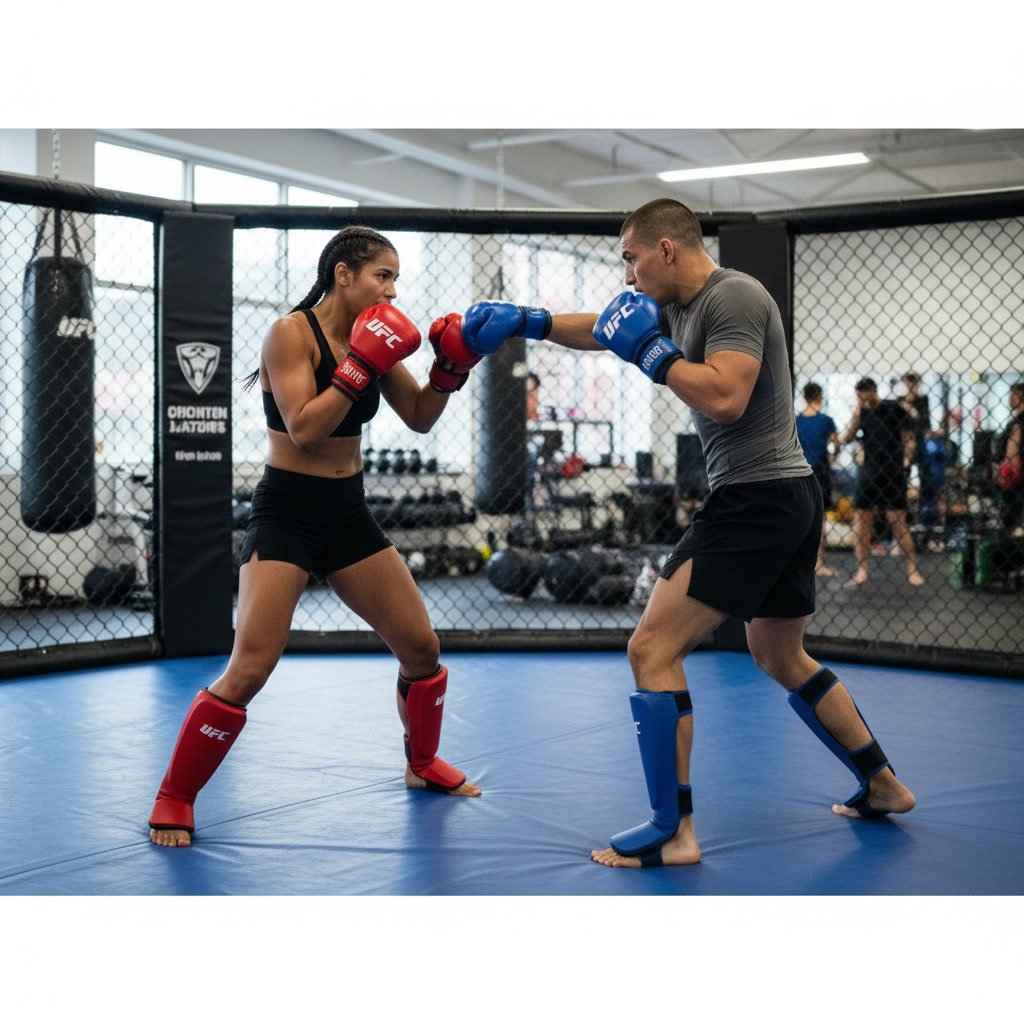
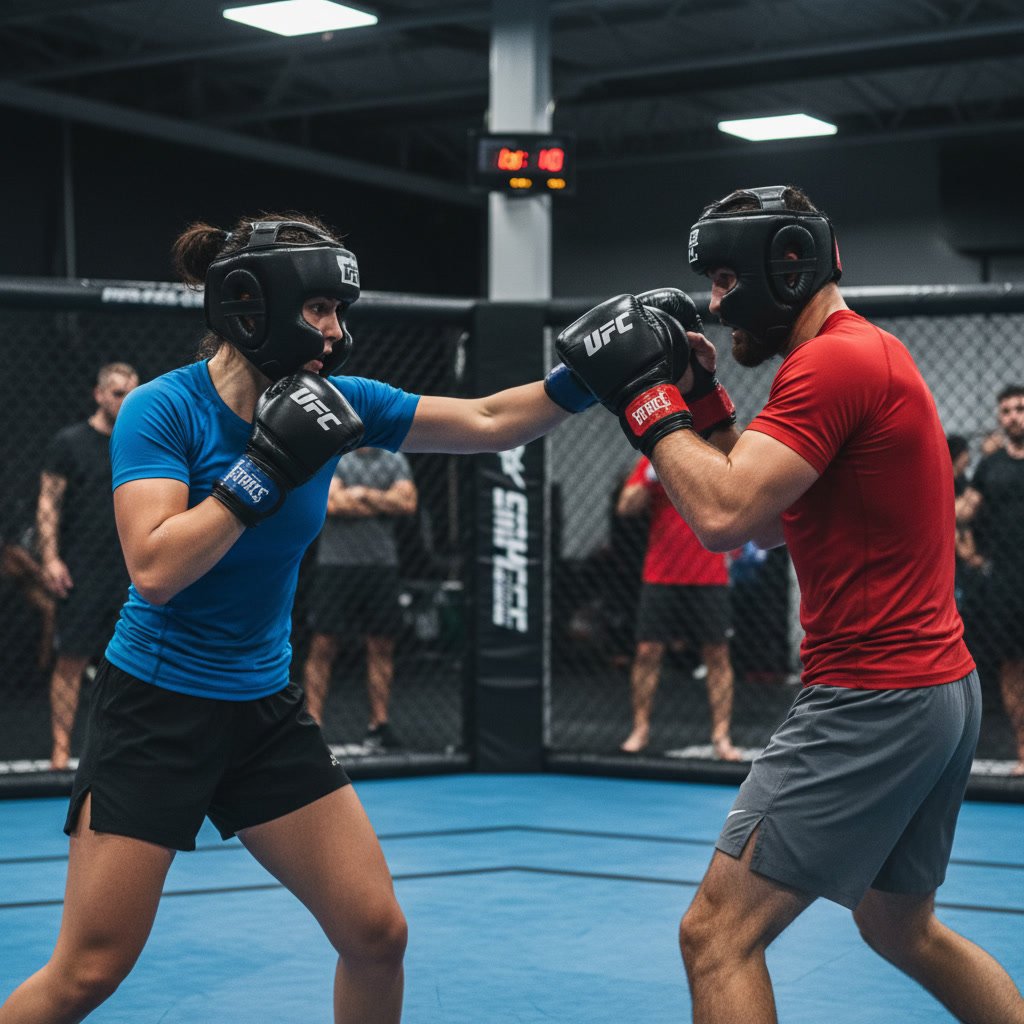
Proper protective gear reduces injury risk dramatically. For striking sparring, you’ll wear 16-ounce boxing gloves or MMA gloves with padding, a mouthguard, and often headgear. Some gyms require shin guards for kickboxing sparring to protect both you and your partner from shin-on-shin collisions.
Grappling sparring typically requires less equipment. A mouthguard remains essential since elbows and knees can accidentally collide during scrambles. Many grapplers wear rash guards to prevent mat burn and reduce friction. Male students should always wear a groin protector regardless of the sparring type.
Your gym will specify which equipment you need to purchase and what they provide. Quality gear costs between 75 and 150 dollars for a complete starter set. Investing in proper protection shows respect for your training partners and yourself.
How Instructors Match Partners for New Sparring Students in Las Vegas
Experienced instructors carefully select your first sparring partners. They typically pair beginners with controlled, technical students who can moderate their intensity. A good training partner for your first session won’t try to dominate you but will apply enough pressure to challenge your skills.
Size and strength differences matter, but skill gaps matter more. A skilled smaller opponent can easily control a larger beginner through superior technique and positioning. Instructors avoid pairing brand-new students together because neither person has developed the control needed to keep the session safe and productive.
At Ten Tigers Martial Arts (Summerlin), instructors with backgrounds in multiple disciplines can match students based on specific skill sets. Someone new to MMA but experienced in Taekwondo will have different strengths than someone coming from a grappling background.
Step-by-Step Breakdown of Your First Sparring Round
Your instructor will walk you through the format before you begin. Most first-time sparring sessions run two to three minutes per round with one-minute rest periods. The instructor explains the intensity level, which for beginners typically means 30 to 50 percent power for strikes and controlled speed for grappling.
Here’s what happens in sequence:
- You and your partner touch gloves to show respect and signal readiness.
- The instructor starts the timer and monitors your round closely from ringside.
- You maintain distance and look for openings to apply techniques you’ve drilled.
- Your partner applies pressure, testing your defense and movement.
- The instructor may pause the action to correct technique or adjust intensity.
- When time expires, you touch gloves again and return to your corner.
During that first round, your mind races and your muscles tense. Breathing becomes shallow as adrenaline floods your system. This reaction is normal and diminishes with regular sparring. The physical techniques you practiced will feel awkward under pressure until repetition makes them automatic.
Common Mistakes First-Time Sparring Students Make
New students consistently make predictable errors during early sparring sessions. The most common mistake is holding your breath. When you stop breathing, you fatigue rapidly and your muscles tighten, making movement stiff and slow. Conscious breathing must become a habit during every exchange.
Another frequent problem is dropping your hands when tired. Your defense collapses when your guard falls, leaving your head exposed to strikes. Experienced partners will immediately exploit this opening to teach you the importance of maintaining your guard even when exhausted.
Beginners also tend to use too much power or too little. Going too hard risks injuring your partner and creates a hostile training environment. Going too light prevents you from learning realistic timing and distance. Finding the appropriate middle ground takes several sessions and constant feedback from your instructor.
How Intensity Levels Progress Over Your First Months
Sparring intensity increases gradually as your skills and control develop. Your first sessions might feel like advanced drilling with light contact. After a month of regular sparring, you’ll work at 50 to 60 percent intensity, applying more speed and power while maintaining control.
By three months, students typically spar at 70 to 80 percent intensity during regular training sessions. This level allows you to test techniques realistically without the injury risk of competition-level sparring. Full-intensity sparring is reserved for advanced students preparing for fights or specific hard sparring days.
Your progression depends on attendance frequency and how quickly you develop control. Students training three times per week advance faster than those attending once weekly. Regular exposure builds comfort with contact and pressure, reducing the anxiety that makes beginners tense and reactive.
The Mental Challenges Beyond the Physical Techniques
The psychological aspects of sparring challenge many students more than the physical demands. Getting hit in the face, even lightly, triggers primal fear responses. Your brain screams at you to flee or freeze. Learning to stay calm and think tactically while someone attacks you requires mental conditioning.
Ego presents another obstacle. Beginners often feel embarrassed when more experienced students control them easily. This feeling is universal and temporary. Every black belt and professional fighter experienced the same helplessness during their early training. Progress comes from accepting your current skill level and focusing on small improvements each session.
Some students experience frustration when techniques that worked perfectly during drilling fail under pressure. This gap between practice and application closes with experience. Sparring reveals which techniques you truly understand and which you only think you know. This honest feedback accelerates your development faster than any other training method.

How to Recover and Prepare Between Rounds
Effective rest periods make longer training sessions possible. During your one-minute break, focus on controlling your breathing first. Deep breaths through your nose and out through your mouth help lower your heart rate and clear your mind.
Avoid sitting down between short rounds unless absolutely necessary. Staying on your feet keeps your muscles warm and ready. Shake out your arms and legs to release tension. Take small sips of water rather than gulping, which can cause cramping or nausea during the next round.
Use this time to mentally review what happened in the previous round. What worked? What openings did your partner exploit? What adjustment will you try next round? This active reflection builds fight IQ faster than simply resting passively.
What Happens After Your First Sparring Session Ends
The session concludes with a formal bow or glove touch with everyone you sparred. This ritual reinforces the respect and trust that make training partnerships work. Your instructor may offer brief feedback on what you did well and what to focus on during drilling.
Expect soreness in unexpected places. Your core, neck, and legs will likely ache the next day as your body adapts to the new demands. Light bruising is common, especially on arms and legs where you blocked strikes. Ice any areas that feel tender immediately after training.
Your mind will replay the sparring rounds for hours or even days afterward. This mental processing is valuable. You’ll remember details about timing, distance, and positioning that inform your next training sessions. Each training experience builds on the previous one, creating steady progress.
Building Skills Through Consistent Practice
Your first sparring session represents just the beginning of a long skill-building journey. Most students need 20 to 30 sessions before they feel comfortable and can execute basic techniques under pressure. This timeline varies based on athletic background, training frequency, and natural aptitude.
Consistency matters more than intensity in the early months. Training twice weekly for six months produces better results than sporadic attendance at higher volumes. Your nervous system needs regular exposure to develop the automatic responses that make techniques effective during sparring.
Cross-training in specific disciplines enhances your overall game. Students at Ten Tigers Martial Arts (Summerlin) can supplement adult group classes with specialized training in Wing Chun for close-range striking or Filipino Martial Arts for weapon awareness. This diverse exposure creates well-rounded fighters who understand multiple ranges and strategies.
Taking Your Next Steps in Training
Understanding what happens during your first sparring session removes much of the anxiety beginners feel. Proper preparation through fundamentals training, appropriate safety gear, and matched partners create an environment where you can learn safely. The mental and physical challenges you face during early sparring sessions build confidence that extends beyond the gym.
If you’re ready to start your training journey with experienced instructors who understand how to introduce beginners to sparring safely, Ten Tigers Martial Arts (Summerlin) offers comprehensive programs for all skill levels. Our team brings expertise across multiple disciplines to help you develop well-rounded skills at your own pace. Contact us at +17026230356 to schedule your first class and learn how we can help you reach your martial arts goals.