Kempo self defense is a comprehensive martial art that seamlessly merges striking techniques with grappling methods, creating a unified system capable of handling diverse combat scenarios. Unlike arts that focus solely on punches and kicks or exclusively on throws and locks, kempo teaches practitioners to transition fluidly between ranges, from long-distance kicks to close-quarter joint manipulations. This adaptability makes it exceptionally practical for real-world self-protection, where confrontations rarely follow a predictable script.
The fusion of striking and grappling in kempo traces back to its roots in Hawaiian kajukenbo and Chinese kung fu systems, where founders deliberately combined techniques from boxing, judo, karate, and other disciplines. The result is a martial art that does not force students to choose between standing or ground fighting but instead equips them to handle both with equal confidence.
The Origins of Kempo as a Hybrid Art
Kempo evolved in environments where practical effectiveness mattered more than traditional lineage. In post-war Hawaii, street fights and violent confrontations demanded a system that could respond to punches, grabs, tackles, and weapons. Early kempo instructors cross-trained in judo, wrestling, boxing, and traditional Asian martial arts, then distilled the most effective techniques into a cohesive curriculum.
This blending philosophy meant that every technique had to prove itself under pressure. Movements that worked only in controlled conditions were discarded. What remained was a streamlined approach to combat that addressed strikes from every angle and grappling scenarios from standing clinches to ground pins.
How Striking Forms the Foundation
Striking techniques in kempo include punches, elbows, knees, kicks, and palm strikes delivered from multiple angles and ranges. Practitioners train to generate power through proper body mechanics rather than relying on size or strength alone. A well-executed ridge-hand strike to the temple or a knee to the midsection can end a confrontation in seconds, making striking the first line of defense in most kempo applications.
Kempo emphasizes targeting vulnerable points on the human body, including the eyes, throat, solar plexus, knees, and groin. This focus on precision over brute force allows smaller defenders to neutralize larger attackers. Students learn to chain strikes together in rapid combinations, overwhelming an opponent before they can mount an effective counter.
Grappling Techniques That Control and Neutralize
While striking dominates at distance, grappling becomes essential when an attacker closes the gap or attempts to grab, tackle, or restrain you. Kempo incorporates joint locks, throws, sweeps, and takedowns that allow a defender to control an aggressor without necessarily striking them. This becomes especially important in situations where you need to subdue someone without causing serious injury, such as de-escalating a dispute with a family member or coworker.
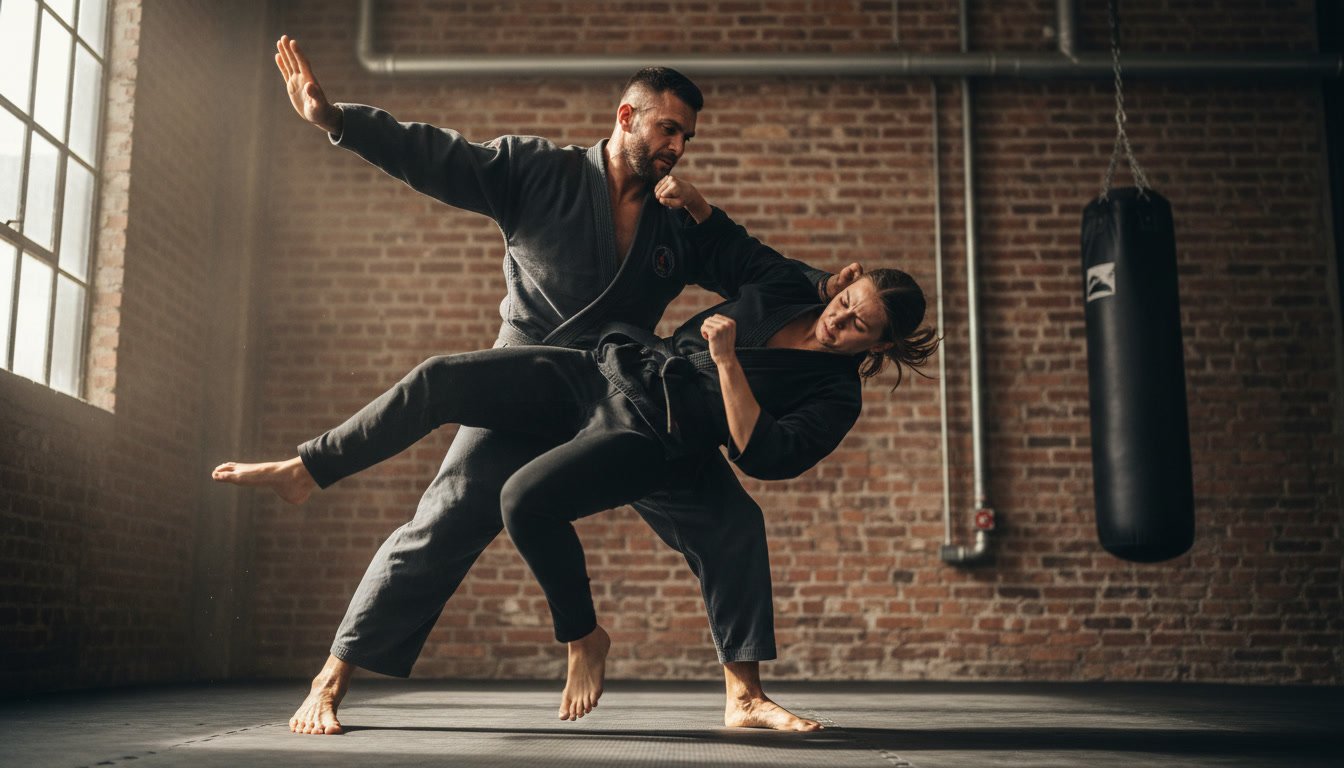
Joint manipulation techniques target the wrist, elbow, shoulder, and neck, applying leverage to force compliance or create an opportunity to escape. A simple wrist lock can redirect an attacker’s momentum and send them to the ground, where further control techniques can be applied. Throws and sweeps disrupt an opponent’s balance, taking away their ability to generate power or pursue you.
Seamless Transitions Between Ranges in Las Vegas Training
The true power of kempo lies in the ability to shift between striking and grappling without hesitation. A defender might start with a front kick to create distance, follow with a palm strike to the chin, then transition into a wrist lock when the attacker grabs their arm. This fluid adaptability is trained through scenario-based drills that simulate real confrontations.
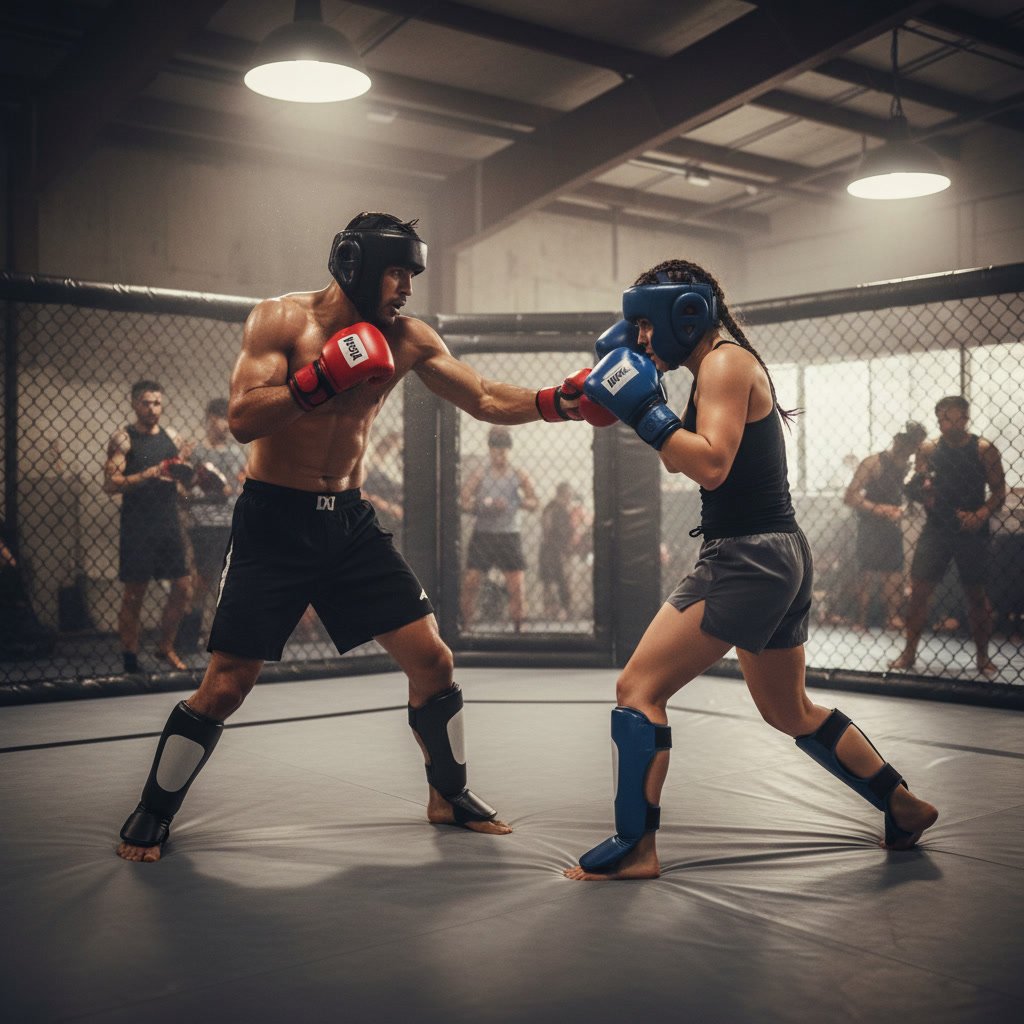
Training at facilities throughout North Summerlin and surrounding areas emphasizes reaction under stress, teaching students to read an opponent’s movements and respond with the appropriate range and technique. Sparring sessions combine light contact striking with controlled grappling, allowing students to test their skills in dynamic, unpredictable situations without the risk of serious injury.
Five Key Principles That Guide Kempo Integration
Several core principles govern how kempo blends striking and grappling into a cohesive system. Understanding these principles helps students make split-second decisions during confrontations.
- Economy of motion: Every movement serves a purpose. Wasted energy or unnecessary flourishes are eliminated in favor of direct, efficient techniques.
- Adaptability: Techniques are not rigid. A punch can become a grab, a block can transition into a strike, and a failed throw can convert into a joint lock.
- Multiple strikes: Single techniques rarely end fights. Kempo teaches combinations that flow naturally from one strike or lock to the next until the threat is neutralized.
- Control before damage: Whenever possible, kempo favors control techniques that subdue an attacker without permanent harm, reserving strikes for situations where control is not achievable.
- Natural weapons: The body itself is the weapon. Fists, elbows, knees, feet, and even the head are all tools in the kempo arsenal, and training develops the ability to use whichever is most accessible in the moment.
Why Beginners Benefit from a Combined System
New students often wonder whether they should start with striking or grappling. The beauty of kempo is that it removes this dilemma entirely by teaching both from day one. This integrated approach accelerates learning because students see how strikes set up grappling opportunities and how grappling positions create openings for strikes.
Beginners also develop a more complete understanding of distance, timing, and positioning. A student who only trains in striking may panic when grabbed. A student who only trains in grappling may struggle to defend against a skilled boxer. Kempo students build confidence across all ranges, reducing the fear and hesitation that can freeze someone during a real attack. For those just starting their martial arts journey, the fundamentals of training for complete beginners apply equally well to kempo as they do to other combat sports.
Real-World Scenarios Where Integration Matters
Self-defense situations rarely unfold like tournament matches with weight classes, rules, and referees. An attacker might throw a punch, then attempt to tackle you when that fails. They might grab your wrist, shove you against a wall, or try to restrain you from behind. Kempo prepares students for these chaotic, unpredictable moments by drilling techniques that address the full spectrum of attacks.
Consider a scenario where someone grabs your collar and cocks their fist back to punch. A kempo response might involve a quick strike to the attacker’s exposed ribs, followed by a wrist lock on the grabbing hand, then a throw to the ground. Each phase flows naturally into the next, and the defender maintains control throughout. This layered defense ensures that even if one technique fails, others are immediately available.
How Kempo Differs from Sport-Focused Systems
Many martial arts are designed for competition, with rules that prohibit certain strikes, limit grappling time, or separate striking and grappling into distinct phases. Brazilian jiu-jitsu focuses almost exclusively on ground fighting. Boxing forbids kicks and grappling. Even mixed martial arts competitions, while comprehensive, impose rules that would not apply in a street confrontation.
Kempo training prioritizes effectiveness without the constraints of sport rules. Eye strikes, throat attacks, groin strikes, and small joint manipulations are all part of the curriculum because they are effective in real-world defense. There are no rounds, no breaks, and no prohibited techniques. This philosophy creates a mindset focused on survival and escape rather than points or submissions. Students interested in exploring the sport side of martial arts can also benefit from adult group classes that incorporate competitive elements alongside self-defense training.
Training Methods That Build Integration
Building proficiency in both striking and grappling requires deliberate, structured practice. Kempo classes typically include shadowboxing, pad work, partner drills, and live sparring. Shadowboxing develops muscle memory for strikes and footwork. Pad work builds power and accuracy. Partner drills introduce timing and reaction under controlled conditions. Live sparring tests everything under dynamic pressure.
One training method unique to kempo is the self-defense set, a choreographed sequence that demonstrates a specific defense against a particular attack. These sets teach students to chain techniques together, moving seamlessly from block to strike to lock to throw. While the sequences are prearranged, they build the neural pathways needed to react instinctively when a real attack occurs. Over time, students internalize these patterns and adapt them to new situations without conscious thought.
Advanced Applications for Experienced Practitioners
As students progress, they learn to read an opponent’s intentions and exploit openings with greater sophistication. An advanced kempo practitioner can feel when an opponent shifts their weight, anticipate a strike based on subtle body language, and counter before the attack fully develops. This level of sensitivity comes only from years of drilling and sparring against diverse training partners.
Advanced training also introduces weapons defense and multiple-attacker scenarios. Kempo principles apply equally whether facing an unarmed opponent, someone wielding a knife, or two attackers working together. The same fluid transitions between striking and grappling remain effective, though the tactics and targets may shift based on the threat level. Students training in South Summerlin and nearby areas often find that the versatility of kempo translates directly to increased confidence in everyday life.
Building Confidence Through Comprehensive Skills
The integration of striking and grappling does more than expand your technical toolkit. It builds a deep, resilient confidence that comes from knowing you can handle any type of physical confrontation. This confidence is not arrogance or aggression but a quiet assurance that allows you to de-escalate conflicts verbally because you do not fear physical outcomes.
Students often report feeling safer walking alone at night, more assertive in setting boundaries, and less anxious in unfamiliar environments. This psychological shift is one of the most valuable benefits of kempo training, often more impactful than any single technique or combination. When you know you can defend yourself at every range, you carry yourself differently, and potential attackers often sense that confidence and choose easier targets.
Kempo self defense offers a complete answer to the question of how to protect yourself in an unpredictable world. By training both striking and grappling as integrated parts of a single system, you eliminate gaps in your ability to respond to threats. Whether you are defending against a punch, a grab, or a tackle, kempo gives you the tools and confidence to act decisively and effectively.
Ten Tigers Martial Arts (Summerlin) welcomes students of all experience levels who want to learn a practical, time-tested approach to self-protection. Training combines traditional techniques with modern application, ensuring that every lesson translates directly to real-world safety. To start your journey or learn more about how kempo can benefit you, reach out at +17026230356.